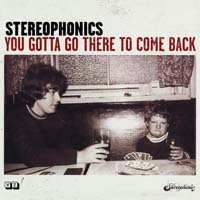
ALBUM NOTESDiving deep into You Gotta Go There to Come Back by Stereophonics
You Gotta Go There to Come Back- Album Overview
You Gotta Go There to Come Back, released on March 10, 2003, marks the fourth studio album by the Welsh rock band Stereophonics. Released under the V2 Records label, the album was produced by the band alongside the legendary producer Jim Lowe. The recording sessions took place in various locations, including the band's own studio in Wales, as well as in Los Angeles. This album continues the band's exploration of rock, combining elements of post-Britpop with their signature sound characterized by rich melodies and heartfelt lyrics.
The album features a total of 12 tracks, among which "Maybe Tomorrow" and "Madame Helga" stand out as notable singles. "Maybe Tomorrow" was particularly successful, reaching the top of the charts and reinforcing the band's position in the UK music scene. Lyrically, the album delves into themes of personal introspection, relationships, and the complexities of life, showcasing frontman Kelly Jones' growth as a songwriter. The album's sound is a natural progression from their earlier work, embodying a more mature and refined approach that resonates with both long-time fans and new listeners alike.
Culturally, You Gotta Go There to Come Back solidified Stereophonics' place in the landscape of early 2000s rock, as they adeptly navigated through the shifting musical tides at the time. The album's blend of rock with emotional depth laid the groundwork for the band's future endeavors and established them as a staple in the British rock genre.
Review
Stereophonics' You Gotta Go There to Come Back showcases the band's ability to craft songs that are both sonically engaging and lyrically profound. The opening track, "Maybe Tomorrow," sets a reflective tone, with its lush instrumentation and emotive vocals that draw listeners in. Throughout the album, the instrumentation remains rich and layered, often highlighted by Jones' poignant guitar work.
The lyrical content is a significant highlight, as Jones explores themes of loss, longing, and resilience, delivering them with sincerity. Tracks like "Madame Helga" and "I Miss You Now" capture a sense of nostalgia and yearning that resonates deeply. However, some may argue that certain songs feel formulaic, sticking closely to familiar Stereophonics tropes without venturing into new territory.
Despite this, the album maintains a cohesive sound that reflects the band's identity, effectively balancing rock anthems with introspective ballads. The production quality is polished, allowing the emotive performances to shine through while still retaining the raw energy that fans expect from the band. Overall, the album is a testament to Stereophonics' evolution as artists and their ability to connect with audiences on a deeper level.
Highlights
- Impressive songwriting that balances personal and universal themes.
- Strong vocal performances from Kelly Jones, filled with emotion and authenticity.
- Well-produced sound that enhances the band's rock identity while allowing for introspective moments.
Weak points
- Some tracks may feel repetitive or formulaic compared to earlier works.
- A lack of experimentation with new sounds could alienate listeners seeking innovation.
- The pacing of the album occasionally lags in the middle, affecting overall engagement.
Overall evaluation
You Gotta Go There to Come Back is a solid entry in Stereophonics' discography, showcasing their signature sound while exploring more mature themes. While it may not break new ground, the album delivers enough emotional weight and melodic appeal to satisfy both fans and newcomers alike.
Personal rating: 7.5/10

 2022Oochya!
 2013Graffiti on the Train
 1997Word Gets Around