
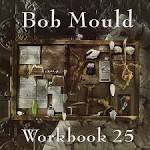
Review of Bob Mould – Workbook
Workbook- Album Overview
"Workbook," released in 1989, marks Bob Mould's debut solo album after the disbandment of the influential punk band Hüsker Dü. Released under the label Virgin Records, the album was produced by Mould himself, showcasing his desire to explore new musical territories beyond the hardcore punk roots of his previous work. The recording took place in Mould's home studio and features a blend of alternative rock and folk influences that signify a pivotal shift in his artistic direction. The album includes standout tracks such as "See a Little Light," "Wondering," and "If I Can't Change Your Mind," which were all released as singles, helping to establish Mould as a solo artist. "Workbook" is notable not just for its songwriting but also for its production style, characterized by a raw yet polished sound that utilizes both electric and acoustic instrumentation. Mould collaborated with various musicians, including the renowned drummer Grant Hart, who played on some tracks, and the contributions of session musicians added depth to the album's sound. Thematically, the album delves into personal introspection, relationships, and the struggles of identity, encapsulated in Mould's candid lyrics. It has since been recognized as a significant release in the alternative music scene, influencing a generation of musicians and earning critical acclaim for its emotional honesty and sonic innovation.
Review
The sound of "Workbook" is a departure from the frenetic energy of Hüsker Dü, favoring a more contemplative and melodic approach. Mould's guitar work is both intricate and powerful, creating a textured backdrop for his poignant lyrics. Songs like "See a Little Light" exemplify this balance, with anthemic choruses that invite listeners to reflect on personal experiences. The lyrics are deeply introspective, revealing Mould's vulnerabilities and struggles, which resonate with listeners on a profound level. Artistically, Mould's vision in "Workbook" represents a maturation of his songwriting, moving towards a more nuanced exploration of themes such as love, loss, and resilience. The album's production is stripped back yet rich, allowing Mould's voice and guitar to remain at the forefront. Although some tracks may feel quieter compared to his earlier work, they offer a different kind of intensity that draws the listener in. Overall, "Workbook" stands as a testament to Mould's ability to reinvent himself while maintaining the emotional core that has always defined his music.
Highlights
- Exceptional songwriting that blends introspection with catchy melodies.
- Innovative use of acoustic and electric instrumentation creating a unique sound.
- The emotional depth of lyrics resonates strongly with listeners.
Weak points
- Some tracks may feel less impactful compared to Mould's more aggressive earlier works.
- The slower tempo of certain songs may not appeal to all listeners.
- Lack of a consistent upbeat energy throughout the album could deter some fans of his previous style.
Overall evaluation
"Workbook" is a remarkable solo debut that showcases Bob Mould's evolution as an artist, offering a richer, more personal musical experience. It remains a significant work in the alternative rock canon and continues to influence new generations. Mould's ability to blend introspective lyrics with engaging melodies makes this album a classic.
Personal rating: 8.5/10 2020Blue Hearts
 2008Life And Times
 2005Body Of Song
 1998The Last Dog And Pony Show
 1996Bob Mould
 1990Black Sheets Of Rain