
Diving deep into Why Do Fools Fall in Love by Diana Ross
Why Do Fools Fall in Love- Album Overview
Released on April 24, 1981, "Why Do Fools Fall in Love" is the eighth studio album by legendary singer Diana Ross. The album was produced under the Motown label, marking a continued collaboration with the iconic label that had shaped her career since her days with The Supremes. This project was notable not just for its music, but also for its ambitious blending of pop, R&B, and disco influences that characterized the era. The album features a total of nine tracks, including the hit singles "Why Do Fools Fall in Love" and "Mirror Mirror," which showcased Ross's vocal prowess and emotional depth. The production saw contributions from celebrated figures such as Michael Masser and Nickolas Ashford & Valerie Simpson, who infused the album with rich melodies and lush arrangements. "Why Do Fools Fall in Love" also stands out for its exploration of themes such as love and vulnerability, resonating with audiences both then and now. The album was well-received, reaching the top 10 on the Billboard 200 and earning a Gold certification from the RIAA. This release not only solidified Ross's status as a solo artist but also reflected the evolving sound of mainstream music at the time, bridging the gap between classic soul and the emerging pop sensibilities of the 1980s.
Review
Musically, "Why Do Fools Fall in Love" is a vibrant tapestry that showcases Diana Ross's versatility and emotive vocal delivery. The title track, a cover of the classic Frankie Lymon & The Teenagers song, transforms the original's doo-wop roots into a contemporary pop anthem, driven by a catchy chorus and Ross's signature flair. Lyrically, the songs explore the complexities of love, capturing both the joy and heartache that come with romantic relationships. The production balances upbeat tracks with more introspective ballads, allowing Ross to shine in various contexts. While the album embraces the disco sound that was prevalent in the early '80s, it does not shy away from incorporating more soulful elements, ensuring that it resonates with a diverse audience. The artistic vision behind the album reflects Ross's desire to evolve as an artist while staying true to her roots. However, some critics argue that certain tracks lack the depth of her earlier works, leading to a mixed reception in terms of lyrical content.
Highlights
- Powerful vocal performances that showcase Ross's range.
- Catchy and memorable melodies that resonate with listeners.
- A successful blend of classic and contemporary sounds.
Weak points
- Some tracks may feel less impactful compared to her earlier hits.
- Occasional reliance on disco tropes that may not appeal to all fans.
- Lyrical themes may lack the profound depth found in previous albums.
Overall evaluation
"Why Do Fools Fall in Love" stands as a testament to Diana Ross's enduring legacy in music. While it may not eclipse her most iconic works, it offers a fresh perspective on love and relationships through a modern lens. The album is a must-listen for fans of Ross and those who appreciate the evolution of pop and R&B during this transformative period.
Personal rating: 7/10 1985Eaten Alive
 1984Swept Away
 1982Silk Electric
 1977Baby It's Me
 1973Touch Me in the Morning
 1973Last Time I Saw Him
 1971Surrender
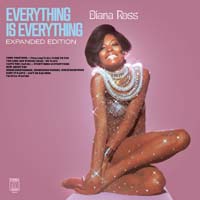 1970Everything Is Everything