
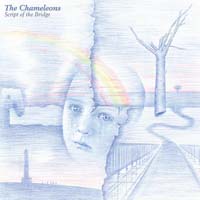
The Chameleons – Why Call It Anything: track-by-track perspective
Why Call It Anything- Album Overview
"Why Call It Anything" is the third studio album by the English post-punk band The Chameleons, released in 1990. This album marked a significant return for the band after a hiatus, showcasing their signature sound while experimenting with new musical elements. Produced by the band alongside their long-time collaborator, the album was released under the label Geffen Records, a notable platform for rock and alternative music in the late '80s and early '90s. The recording sessions took place in various studios, where the band aimed to capture a more polished sound compared to their earlier, more raw albums.
The album features a diverse range of tracks, with notable singles like "Swamp Thing," which received radio play and contributed to the band's resurgence in the alternative music scene. Lyrically, the songs delve into themes of existentialism and emotional depth, reflecting the band's introspective style. The Chameleons' influence can be seen in the soundscapes created by guitarist Dave Fielding and vocalist Mark Burgess, both of whom are pivotal to the band's identity. "Why Call It Anything" is often lauded for its atmospheric qualities, which resonate well with the post-punk genre, and it holds a special place in the hearts of fans who appreciate the band's unique blend of melody and melancholy.
Despite being overshadowed by the Britpop movement that followed in the 1990s, the album has gained recognition over the years, influencing a myriad of artists and bands within the post-punk and alternative rock scenes. The Chameleons' ability to craft intricate musical arrangements while maintaining lyrical poignancy has solidified their status as a significant act in the post-punk movement.
Review
The sound of "Why Call It Anything" is a rich tapestry of textured guitars, dynamic bass lines, and ethereal vocals. The album opens with "The Fan and the Bellows," which sets a compelling atmosphere with its layered instrumentation. Throughout the album, the production is crisp, allowing each instrument to shine while maintaining the band's characteristic depth. Lyrically, Mark Burgess showcases his introspective writing style, exploring themes of identity and change. The juxtaposition of uplifting melodies with darker lyrical motifs creates a sense of emotional complexity that resonates with listeners.
Tracks like "Swamp Thing" display an infectious energy, while others, such as "Soul in Isolation," delve into somber territory, reflecting the band's versatility. The artistic vision behind the album feels both personal and universal, as it captures the essence of navigating life's uncertainties. The Chameleons successfully merge their post-punk roots with a more expansive sound, ensuring that "Why Call It Anything" stands out as a unique entry in their discography.
Highlights
- Intricate guitar work that enhances the atmospheric quality of the album.
- Strong lyrical themes that resonate emotionally with listeners.
- Successful blend of upbeat and melancholic tracks, showcasing the band's versatility.
Weak points
- Some tracks may feel less impactful compared to the standout singles.
- The polished production might alienate fans of their earlier, rawer sound.
- Limited commercial success at the time of release, leading to lesser recognition.
Overall evaluation
"Why Call It Anything" is a strong testament to The Chameleons' enduring legacy in the post-punk genre. While it may not have achieved massive commercial success upon its release, its artistry and emotional depth have secured it a place in the hearts of dedicated fans. The album represents a pivotal moment in the band's evolution, blending their established sound with new influences.
Personal rating: 8/10 1986Strange Times
 1983Script of the Bridge