
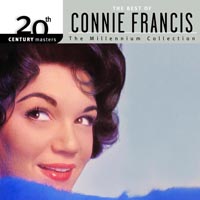
Why Connie Francis's Who's Sorry Now matters
Who's Sorry Now- Album Overview
"Who's Sorry Now" is a seminal album by the American pop singer Connie Francis, released in 1958. The album, which showcases Francis's versatility as a vocalist, was produced under the MGM Records label and features a mix of pop and traditional ballad styles that resonate with the emotional complexities of love and heartbreak. The title track, "Who's Sorry Now," is a poignant rendition of a song originally written by Ted Mossman and made famous by the likes of the big band era. This album marked a significant moment in Francis's career, as it solidified her status as a leading female pop artist in the late 1950s and early 1960s. The recording sessions took place in New York and featured arrangements by the esteemed conductor and arranger, Don Costa, known for his lush orchestral arrangements that complemented Francis's powerful voice. Alongside the title track, the album includes memorable songs like "Stupid Cupid" and "My Happiness," both of which became significant hits, furthering her popularity. Francis's ability to convey deep emotion and vulnerability in her performances helped her connect with a broad audience, particularly young women navigating the complexities of romantic relationships during a time when societal expectations were shifting. "Who's Sorry Now" not only reflects the musical trends of its time, combining elements of traditional pop and easy listening, but it also speaks to the cultural landscape of the late 1950s, marking a transition towards more personal storytelling in music. The album remains a touchstone in the history of pop music, showcasing the artistry of a woman who was not only a star but also a trailblazer for future generations of female artists.
Review
The sound of "Who's Sorry Now" is characterized by Connie Francis's rich, emotive voice that effortlessly navigates through the album's range of heartfelt ballads and upbeat tunes. The lush orchestration, courtesy of Don Costa, enhances the emotional depth of the lyrics, allowing Francis to shine as a storyteller. Her vocal delivery is both powerful and tender, particularly on tracks like "Who's Sorry Now," where her longing is palpable. Lyrically, the album explores themes of heartache, regret, and resilience, resonating well with listeners who have experienced similar emotions. Francis's interpretation of the songs brings a sense of authenticity that transcends the era, making her performances relatable even decades later. The artistic vision behind this album is clear: it is a celebration of the complexities of love, framed within the context of the changing societal norms of the time. Overall, "Who's Sorry Now" is a testament to Connie Francis's artistry, revealing her ability to blend technical skill with emotional depth, making it a timeless piece in the pop music canon.
Highlights
- Connie Francis's powerful vocal performances that convey deep emotional resonance.
- Strong production values with lush orchestral arrangements by Don Costa.
- Memorable and relatable lyrics that capture the complexities of love and heartbreak.
Weak points
- Some tracks may feel dated to modern listeners unfamiliar with the genre.
- A lack of musical diversity within the album's overall sound palette.
- The album's slower ballads may not appeal to those seeking more upbeat tunes.
Overall evaluation
"Who's Sorry Now" stands as a significant work in Connie Francis's discography, showcasing her talent and the cultural shifts of her time. While it may not appeal to everyone, its emotional depth and production quality make it a worthwhile listen for fans of classic pop.
Personal rating: 8/10