
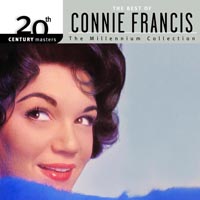
Why Connie Francis's Connie Francis matters
Connie Francis- Album Overview
The self-titled album "Connie Francis," released in 1959 by MGM Records, marked a significant milestone in the career of one of the most popular female vocalists of the 1950s and early 1960s. This album features a collection of pop and traditional standards that showcase Francis's versatile voice and emotional depth. The recording sessions for this album took place in the late 1950s, a time when Francis was at the height of her popularity, following a string of hit singles that included "Who's Sorry Now?" and "Stupid Cupid." The album was produced by the notable songwriting and production team of Hank Hunter and others, who crafted a sound that blended orchestral arrangements with Francis's powerful vocal delivery. The album consists of several tracks that became fan favorites, including "My Happiness," which was a major hit for Francis. This song, along with others on the album, exemplifies the early rock and pop sound that defined the era. Connie Francis's ability to convey deep emotional resonance in her songs helped her connect with a wide audience, making her a pioneering figure in the era of female pop singers. The album's release contributed to her lasting legacy as an artist who not only achieved commercial success but also broke barriers for women in music. The cultural significance of "Connie Francis" lies in its reflection of the changing musical landscape of the late 1950s and the role of female artists in shaping popular music. It also paved the way for Francis's future endeavors, including her successful career in international music, where she recorded in multiple languages.
Review
"Connie Francis" serves as a testament to the artist's remarkable vocal abilities and her knack for interpreting songs with sincerity and passion. The album often balances upbeat tracks with more melancholic ballads, showcasing her range as a performer. The orchestral backing and lush arrangements create a rich soundscape that perfectly complements Francis's voice. Lyrically, many of the songs explore themes of love, heartbreak, and nostalgia, which resonate deeply with listeners. Francis's delivery is both powerful and intimate, drawing the audience into her emotional world. While the production is characteristic of the era, it might feel dated to contemporary listeners, yet it undeniably captures the essence of 1950s pop music. Overall, the album reflects Francis's artistic vision of blending traditional pop with emerging rock influences, making a strong impact in its time.
Highlights
- Exceptional vocal performances that display a wide emotional range.
- Memorable tracks that became iconic in the classic pop repertoire.
- A nostalgic reflection of the late 1950s musical landscape.
Weak points
- Some tracks may feel overly sentimental and dated to modern ears.
- The orchestration can occasionally overshadow Francis's vocal strength.
- Lack of experimental variety in terms of musical styles across the album.
Overall evaluation
Connie Francis's self-titled album is a significant piece of musical history that highlights the artist's contributions to pop music in the late 1950s. With its blend of heartfelt ballads and upbeat tunes, the album remains a noteworthy listen for fans of the genre and those interested in the evolution of female artists in music. While it may not resonate with every modern listener, its cultural importance and Francis's vocal prowess make it a valuable part of music history.
Personal rating: 7/10