
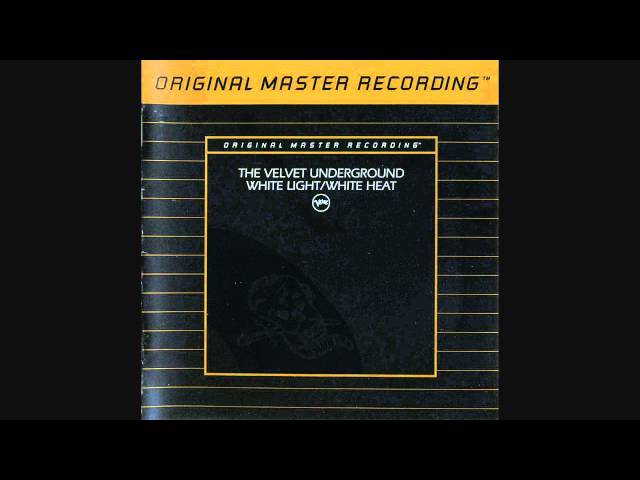
The Velvet Underground experiments boldly on White Light/White Heat
White Light/White Heat- Album Overview
"White Light/White Heat," released in January 1968, is the second studio album by the influential rock band The Velvet Underground. Produced by the iconic Andy Warhol and released under his label, Verve Records, the album showcases the band's avant-garde approach to music and lyrics. The recording sessions took place at T.T.G. Studios in Hollywood, California, featuring core members Lou Reed, John Cale, Sterling Morrison, and Maureen Tucker, with contributions from Warhol's multimedia collective, The Exploding Plastic Inevitable.
The album is notable for its raw sound and experimental nature, characterized by feedback-laden guitar riffs and dissonant melodies. It includes tracks like "Sister Ray," which stretches over eight minutes of chaotic energy, and "White Light/White Heat," a frenetic anthem that embodies the band's rebellious spirit. Unlike their debut album, this release delves deeper into themes of drug use, sexuality, and urban life, reflecting the counterculture of the 1960s.
While "White Light/White Heat" did not achieve commercial success upon its release, it has since been recognized as a pivotal work in the development of punk rock and alternative music. The album's experimental style and lyrical boldness influenced countless artists and genres, solidifying The Velvet Underground's legacy as pioneers of modern music. It includes no singles but has been celebrated for its unfiltered expression and lasting impact on the music industry.
Review
The sound of "White Light/White Heat" is a stark departure from traditional pop and rock norms, embracing a lo-fi aesthetic that captures the chaos of early punk. The instrumentation is stripped down yet powerful, with John Cale’s electric viola adding an unsettling texture to the mix. Lou Reed's lyrics are both provocative and poetic, often reflecting the gritty realities of life in New York City. Tracks like "Sister Ray" exemplify this with their relentless pace and vivid storytelling, creating an immersive experience that feels both raw and authentic.
The artistic vision of The Velvet Underground is unapologetically bold, challenging societal norms and pushing boundaries. The album's themes resonate with a sense of urgency and rebellion, mirroring the cultural upheaval of the time. While the music may not appeal to mainstream audiences, its influence on later generations of musicians is undeniable, marking it as a cornerstone of avant-garde rock. Ultimately, "White Light/White Heat" is not just an album; it is a bold statement that continues to inspire and provoke thought decades after its release.
Highlights
- Innovative sound that paved the way for punk rock.
- Bold lyrics that explore controversial themes.
- Raw energy and experimental instrumentation throughout the album.
Weak points
- Production quality may be off-putting to some listeners.
- Lack of catchy singles limits mainstream appeal.
- Can feel dissonant and chaotic for those unfamiliar with avant-garde music.
Overall evaluation
"White Light/White Heat" stands as a testament to The Velvet Underground's daring approach to music, leaving a lasting impact on the landscape of rock. Its experimental nature may alienate some, but for those willing to embrace its chaos, it offers a profound listening experience.
Personal rating: 9/10 2012The Verve/MGM Albums
 1973Squeeze