
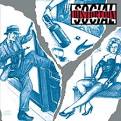
The evolution of Social Distortion in White Light White Heat White Trash
White Light White Heat White Trash- Album Overview
Released on August 29, 1996, "White Light White Heat White Trash" marks a significant entry in Social Distortion's discography. The album, released through Epic Records, was produced by the band's frontman Mike Ness alongside producer T.J. Doherty. This album follows the band's 1996 self-titled effort and comes at a time when Social Distortion was evolving from its punk rock roots into a sound that incorporated elements of rockabilly, country, and blues. With its raw lyrical content and robust instrumentation, the album is a reflection of Ness's personal struggles, including his battles with addiction and the tumultuous relationships that often accompany such challenges.
The album features a mix of original tracks and covers, including the notable "Story of My Life," which has become one of the band's signature songs. The album's standout singles include "I Wasn't Born to Follow" and "Don't Drag Me Down," both of which showcase the band's ability to blend punk rock energy with introspective lyrics. "White Light White Heat White Trash" solidified Social Distortion's place in the 90s punk revival, as it navigated themes of resilience, heartbreak, and redemption. The album's sound is characterized by gritty guitar riffs, powerful drumming, and Ness's distinctive vocals, making it a pivotal moment in the band's evolution and in the broader punk rock landscape of the time.
Review
The album opens with a vibrant energy that immediately captures the listener's attention. Social Distortion's signature style—melding punk rock with elements of rockabilly—is on full display, particularly in tracks like "Don't Drag Me Down," which combines hard-hitting lyrics with a catchy rhythm. Ness's songwriting shines through as he explores themes of personal struggle and societal challenges, often reflecting on his own life experiences. The raw honesty in his lyrics resonates deeply, making tracks like "I Wasn't Born to Follow" not just entertaining but also poignant.
Musically, the album is a testament to the band’s growth; it showcases their willingness to experiment while remaining true to their roots. The production is polished yet retains an authentic edge, allowing the emotional weight of the lyrics to come through. However, some purists might argue that the album strays too far from the band's earlier punk roots. Nonetheless, the blend of genres and Ness's compelling storytelling make "White Light White Heat White Trash" an essential listen for fans of the genre, offering both nostalgia and a fresh perspective on the band's evolution.
Highlights
- Strong lyrical themes of personal struggle and resilience.
- Engaging mix of punk rock, rockabilly, and blues influences.
- Standout tracks that have become staples in Social Distortion's live performances.
Weak points
- May alienate some fans of the band's earlier, rawer sound.
- Production quality could be seen as overly polished by punk purists.
- Some tracks may feel repetitive in their thematic approach.
Overall evaluation
"White Light White Heat White Trash" represents a crucial chapter in Social Distortion's career, showcasing their evolution while retaining the core elements that define their sound. It is a powerful mix of personal reflection and musical experimentation that resonates with a wide audience.
Personal rating: 8/10 1992Somewhere Between Heaven And Hell
 1990Social Distortion