

When a Guitar Plays the Blues: what Roy Buchanan wants you to feel
When a Guitar Plays the Blues- Album Overview
"When a Guitar Plays the Blues," released in 1972, is the debut studio album by American guitarist Roy Buchanan. This landmark record was released under the Polydor label and marked Buchanan's emergence as a significant figure in the blues genre. The album was recorded in a time when the fusion of rock and blues was gaining momentum, with Buchanan's virtuosic guitar work standing out amidst the growing influence of electric blues. Produced by Buchanan himself, alongside the talented engineer and producer, Bob Thiele, this album showcases a raw and emotional sound that has since become synonymous with Buchanan's artistry.
The album consists of instrumental tracks that allow Buchanan's guitar to convey deep emotion, effectively telling stories without words. Notable tracks include the iconic "The Messiah Will Come Again," which features poignant guitar lines interwoven with blues rhythms, and "Sweet Dreams," where Buchanan's expressive playing evokes feelings of nostalgia and longing. The album's production captures the gritty essence of live performance, making it feel authentic and relatable. Collaborators on the album included notable musicians like keyboardist and producer, Bob Thiele, who helped shape the sound of the record. Buchanan's work on this album has had a significant cultural impact, influencing countless guitarists and solidifying his reputation as one of the most underappreciated blues musicians of his time.
Review
Buchanan's "When a Guitar Plays the Blues" is a masterclass in emotional guitar playing. The album's strength lies in its seamless blend of technique and emotive expression. Each track serves as a testament to Buchanan's ability to communicate complex feelings through his instrument. The absence of lyrics allows listeners to interpret the music personally, making each listening experience unique. The production, while true to the raw blues aesthetic, possesses a polished quality that highlights Buchanan's guitar tones beautifully.
Musically, the album traverses various moods, from the melancholic strains of "The Messiah Will Come Again" to the more upbeat and playful "I Am a Lonesome Fugitive." Buchanan's use of vibrato and bends creates a vocal-like quality in his playing, further enhancing the emotional depth of the tracks. His artistic vision is clear: to create a body of work that transcends the traditional boundaries of the blues genre, inviting listeners to feel rather than just hear. In doing so, he crafts an album that resonates with the soul, making it a timeless piece in the annals of music history.
Highlights
- Exceptional guitar work that communicates deep emotion.
- A unique blend of instrumental blues that invites personal interpretation.
- Production quality that captures the raw essence of live performance.
Weak points
- Lack of vocal tracks may limit appeal to some listeners.
- Some tracks may feel repetitive in structure to those unfamiliar with instrumental blues.
- Limited commercial singles could affect broader recognition beyond blues enthusiasts.
Overall evaluation
"When a Guitar Plays the Blues" is an essential album for any blues aficionado, showcasing Roy Buchanan's extraordinary talent and emotional depth. While it may not cater to all musical tastes due to its instrumental nature, its artistic vision and craftsmanship make it a significant contribution to the genre.
Personal rating: 8.5/10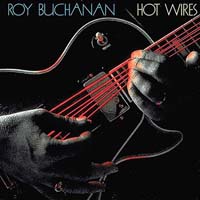 1987Hot Wires
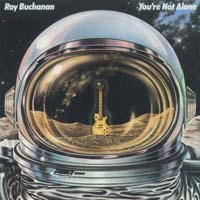 1978You're Not Alone
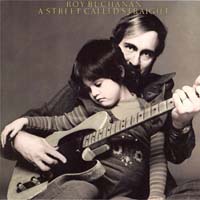 1976A Street Called Straight
 1973Second Album