
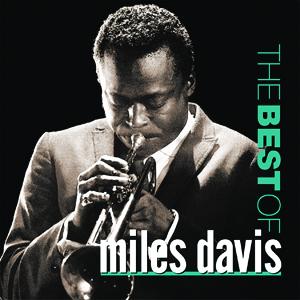
The evolution of Miles Davis in Walkin’
Walkin’- Album Overview
"Walkin’," released in 1954, marks a significant moment in the evolution of jazz and, particularly, in the career of Miles Davis. This album was produced by the legendary label Prestige Records and showcases Davis's transition from the cool jazz of the 1940s to the more expressive hard bop style that would define the 1950s. The recording sessions took place on April 26, 1954, and featured an exceptional lineup of musicians including pianist Red Garland, bassist Paul Chambers, drummer Elvin Jones, and saxophonist John Coltrane, among others. The title track, “Walkin’,” became a jazz standard and is emblematic of Davis's ability to blend rhythmic complexity with melodic simplicity. The album consists of six tracks, with notable compositions such as “The Theme” and “You Don’t Know What Love Is,” both of which highlight Davis's innovative use of space and phrasing. The release of "Walkin’" was significant not just for its musical content but also for its cultural context, as it emerged during a time when jazz was beginning to gain acceptance in mainstream American culture. This album helped to solidify Davis's reputation as a pioneering artist, paving the way for future groundbreaking works. "Walkin’" stands as a bridge between different eras of jazz, showcasing the artist's versatility and foreshadowing the experimental directions he would later explore.
Review
Musically, "Walkin’" is a profound exploration of jazz, characterized by its rhythmic inventiveness and emotive depth. The title track is particularly noteworthy for its infectious groove and melodic hooks, while the collaboration with John Coltrane adds a layer of complexity that elevates the entire album. Davis's trumpet playing is both assertive and introspective, capturing the listener's attention with its nuanced phrasing and dynamic range. The interplay between the musicians—especially between Davis and Coltrane—is a testament to their artistic synergy, creating a rich tapestry of sound that invites listeners to engage with the music on multiple levels. Lyrically, while jazz is often an instrumental genre, the emotional narratives conveyed through the solos and interplay tell a story of their own. Davis's artistic vision is evident in his ability to convey feelings of longing and introspection, which resonates deeply with audiences. The production quality is pristine, allowing each instrument to shine, showcasing the technical prowess of the ensemble. Overall, "Walkin’" is not just an album; it's a crucial chapter in the narrative of jazz evolution, reflecting both personal and cultural shifts of the time.
Highlights
- Innovative arrangements that blend hard bop with elements of cool jazz.
- Exceptional collaboration with renowned musicians like John Coltrane and Red Garland.
- The title track “Walkin’” has become a timeless jazz standard.
Weak points
- Some tracks may feel less cohesive compared to the title track.
- The album's length might leave listeners wanting more variety.
- Production style is reflective of its time, which may not appeal to all contemporary listeners.
Overall evaluation
"Walkin’" is a landmark album that encapsulates a transformative period in Miles Davis's career and the jazz genre as a whole. Its blend of emotive expression and technical mastery makes it a must-listen for both jazz aficionados and casual listeners alike.
Personal rating: 9/10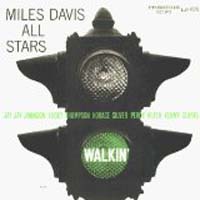 1954Walkin'