
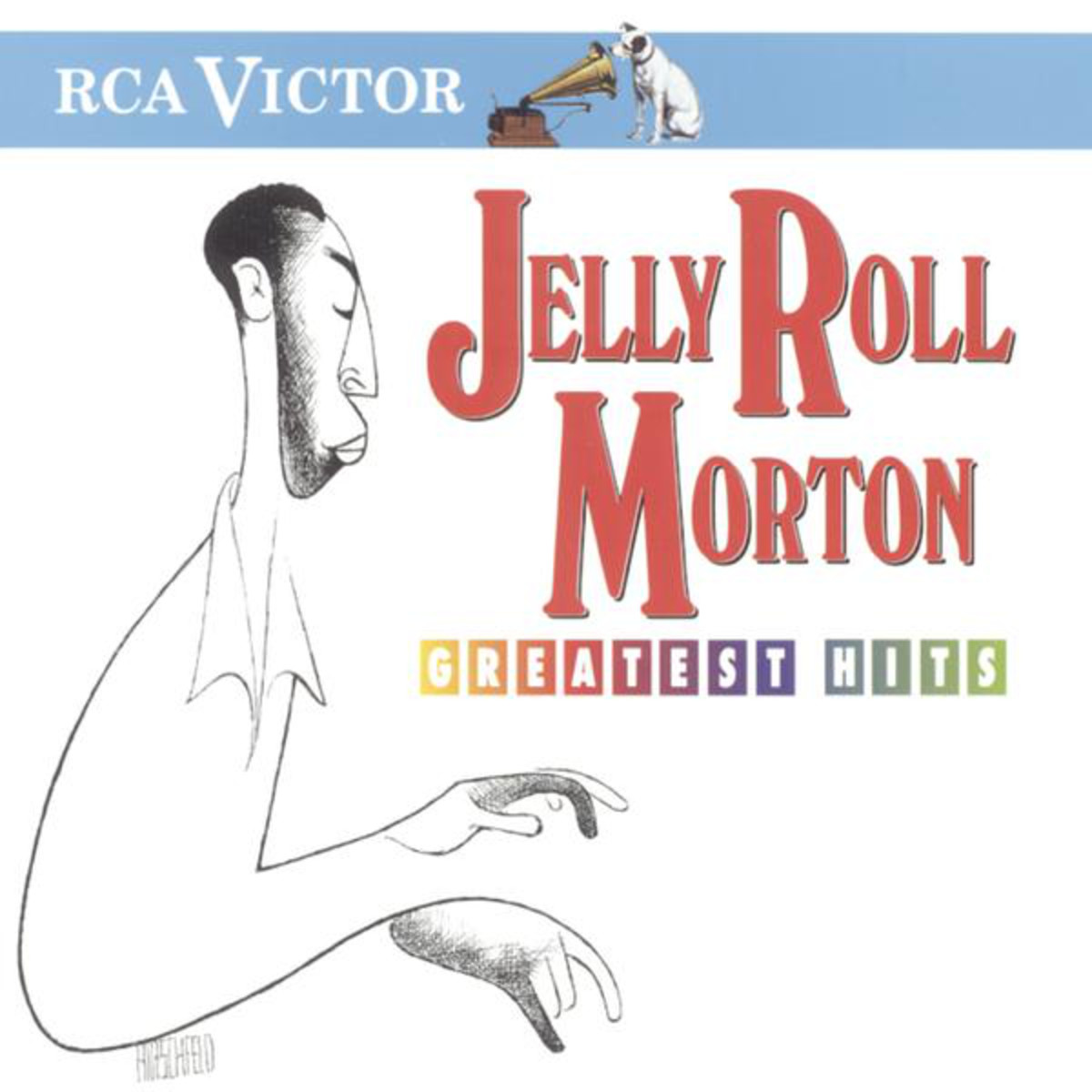
Inside Volume 1 (1923-1929) by Jelly Roll Morton
Volume 1 (1923-1929)- Album Overview
"Volume 1 (1923-1929)" is a seminal collection of recordings by the legendary pianist and composer Jelly Roll Morton, released in 1991 as part of the "The Complete Jelly Roll Morton" series by the American label, RST Records. This compilation encompasses a crucial period in Morton's career, during which he not only pioneered jazz but also contributed significantly to the evolution of American music. The album features a selection of tracks recorded between 1923 and 1929, showcasing Morton's innovative blend of ragtime, blues, and early jazz.
The recordings were produced during an era marked by the Great Migration, which saw a significant movement of African Americans to urban centers, bringing rich musical traditions along with them. Morton's work during this time reflects the cultural shifts and social realities of the age, as he collaborated with a variety of musicians, including his band, the Red Hot Peppers. The arrangements often highlight Morton's virtuosic piano skills and his ability to compose intricate melodies that capture the complexity of the jazz genre.
Among the notable tracks included in this volume are "King Porter Stomp," "Black Bottom Stomp," and "The Pearls," each showcasing Morton's unique style and improvisational prowess. The album serves not only as a celebration of Morton's artistry but also stands as a historical document of early jazz, illustrating the genre's roots and its burgeoning evolution. The cultural significance of these recordings cannot be overstated, as they laid the groundwork for future jazz musicians and inspired countless artists across generations.
Review
The sound of "Volume 1 (1923-1929)" is a rich tapestry woven from the threads of jazz, blues, and ragtime. Jelly Roll Morton’s piano work is both intricate and emotive, showcasing his ability to weave complex melodies into the fabric of jazz rhythm. The recordings capture the lively essence of the 1920s, with a vibrant energy that is palpable in each track. Morton's compositions often feature syncopated rhythms and clever call-and-response patterns that engage listeners and performers alike.
The lyrics, where present, often touch on themes of love, life, and the struggles of the African American community, delivering a poignant message wrapped in infectious melodies. Morton's artistic vision is clear throughout the album; he is not just a performer but a storyteller, bringing the experiences of his time to life through music. The production quality, though reflective of its era, retains a charm that allows the raw energy of the performances to shine through, making it a captivating listen.
Highlights
- Intricate and virtuosic piano performances that exemplify Morton's skill.
- A rich blend of musical styles that showcases the evolution of jazz in its early years.
- Historical significance as a document of early American music and culture.
Weak points
- Some tracks may feel dated to contemporary listeners unfamiliar with early jazz forms.
- The sound quality reflects the limitations of the recording technology used in the 1920s.
- Limited lyrical content in certain instrumental tracks may not appeal to all audiences.
Overall evaluation
"Volume 1 (1923-1929)" is an essential collection that not only highlights Jelly Roll Morton's genius but also serves as a crucial piece of jazz history. It encapsulates the spirit and innovation of an era that shaped modern music. For anyone interested in the roots of jazz, this album is a must-listen.
Personal rating: 9/10 2005The Complete Library of Congress Recordings