
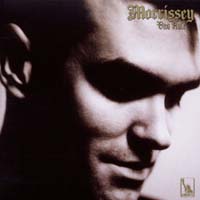
Viva Hate: exploring the world of Morrissey
Viva Hate- Album Overview
"Viva Hate," released on March 14, 1988, is the debut solo album by English singer-songwriter Morrissey, following his departure from the iconic band The Smiths. The album was released under the label HMV Records and produced by Stephen Street, who had previously worked with The Smiths. Recorded primarily at RAK Studios in London, "Viva Hate" showcases Morrissey's distinctive vocal style paired with a rich tapestry of guitar-driven melodies and introspective lyrics.
The album features a blend of alternative rock and pop, with a melancholic yet anthemic sound that would characterize much of Morrissey's solo career. Collaborators on the album include guitarist Boz Boorer, who would become a key figure in Morrissey’s musical direction, and drummer Spencer Cobrin. The lead single, "Suedehead," became a commercial success, peaking at number 5 on the UK Singles Chart. Other notable tracks include "Everyday Is Like Sunday," which echoes themes of existential ennui and social commentary, further solidifying Morrissey's reputation as a lyricist of depth.
"Viva Hate" is culturally significant as it marked the transition of Morrissey from a band member to a solo artist, allowing him to explore themes of loneliness, alienation, and identity with greater personal freedom. The album received critical acclaim for its lyrical prowess and musical composition, establishing Morrissey as a formidable force in the music industry and influencing a generation of artists who followed. Its legacy endures, often regarded as a seminal work in the canon of British alternative music.
Review
The sound of "Viva Hate" is characterized by its lush arrangements and haunting melodies, with Morrissey's vocal delivery ranging from plaintive to defiant. The album opens with "I Want the One I Can't Have," a track that encapsulates the longing and desire that permeates much of Morrissey's work. The instrumentation is rich, with jangly guitars and subtle orchestral elements that complement the lyrical storytelling.
The lyrics of "Viva Hate" delve into personal and societal themes, reflecting Morrissey's introspective nature. Songs like "Everyday Is Like Sunday" resonate with feelings of stagnation and despair, while "Suedehead" offers a more upbeat yet equally poignant reflection on desire and loss. Morrissey's ability to blend the personal with the political is evident throughout the album, making it a resonant piece of art that captures the zeitgeist of the late 1980s.
Artistically, "Viva Hate" showcases Morrissey's unique perspective on life and love, marked by his trademark wit and melancholy. It serves as a testament to his evolution as an artist, allowing listeners a glimpse into the darker corners of his psyche while simultaneously celebrating the complexities of human emotion.
Highlights
- The powerful and emotive lead single "Suedehead."
- Rich, layered instrumentation that enhances the lyrical depth.
- Morrissey's distinctive vocal style and poignant lyricism.
Weak points
- Some tracks may feel repetitive in musical structure.
- Occasional lack of energy in certain songs compared to others.
- Not all listeners may connect with Morrissey's lyrical themes.
Overall evaluation
In summary, "Viva Hate" stands as a powerful debut that captures Morrissey's signature blend of wit, melancholy, and social commentary. It is an album that not only defines his solo career but also leaves a lasting impact on the landscape of alternative music.
Personal rating: 8/10 2020I Am Not A Dog On A Chain
 2014World Peace Is None of Your Business
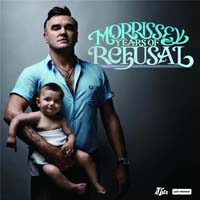 2009Years of Refusal
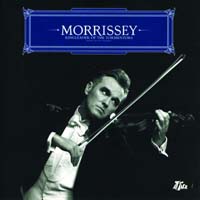 2006Ringleader of the Tormentors
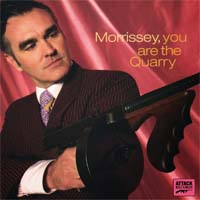 2004You Are the Quarry
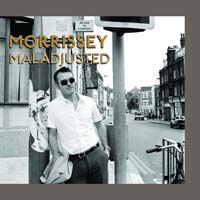 1997Maladjusted
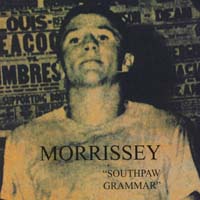 1995Southpaw Grammar
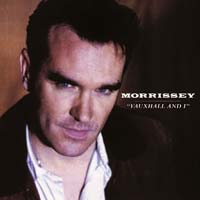 1994Vauxhall and I
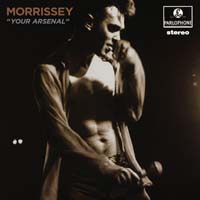 1992Your Arsenal
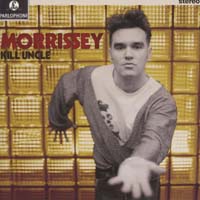 1991Kill Uncle