

Is Tupelo Honey Van Morrison's best work yet?
Tupelo Honey- Album Overview
Released on October 1, 1971, "Tupelo Honey" is Van Morrison's fourth studio album, showcasing his unique blend of rock, folk, and soul. The album was produced by Morrison himself and released under the Warner Bros. Records label. "Tupelo Honey" was recorded primarily in Los Angeles and features a lineup of talented musicians, including the renowned jazz saxophonist, John Platania, and the celebrated drummer, David Hayes. The album is notable for its lush arrangements and the incorporation of various musical styles, reflecting Morrison's eclectic influences.
The album features iconic tracks such as the title song "Tupelo Honey," which has become one of Morrison's signature pieces, celebrated for its romantic lyrics and soothing melody. Another standout track, "Wild Night," was released as a single and later covered by several artists, contributing to the album's enduring legacy. "Tupelo Honey" is often regarded as a turning point in Morrison's career, marking a period of creative maturation and a deeper exploration of personal and spiritual themes.
Culturally, the album emerged during a time of significant change in music and society, reflecting the introspective spirit of the early 1970s. It has been praised for its lyrical depth and the seamless fusion of genres, making it a significant entry in Morrison's discography and in the landscape of American music. The album's blend of heartfelt storytelling and rich instrumentation continues to resonate with listeners, solidifying its place as a classic.
Review
"Tupelo Honey" is a masterclass in atmospheric songwriting and emotive performance. The album opens with the title track, immediately immersing the listener in Morrison's world of rich imagery and soulful melodies. The lyrical content is deeply personal, exploring themes of love, longing, and the beauty of simple moments, all delivered with Morrison's distinctive vocal style that combines grit and tenderness.
The musical arrangements are equally impressive, featuring a blend of soft rock and jazz influences that create a warm, inviting sound. The instrumentation complements Morrison's vocals beautifully, allowing the lyrics to shine through while maintaining a rich sonic palette. Tracks like "Wild Night" showcase a more upbeat energy, with infectious grooves that invite listeners to sway along.
Throughout the album, Morrison's artistic vision is evident, as he effortlessly weaves together storytelling and musicality. The songs carry an organic quality, as if they were born from spontaneous moments of inspiration. This ability to capture the essence of everyday experiences is what makes "Tupelo Honey" resonate with audiences even today.
Highlights
- Rich lyrical imagery and emotional depth in songwriting.
- Seamless blend of genres, including rock, jazz, and folk.
- Standout tracks that have become timeless classics, like "Tupelo Honey" and "Wild Night."
Weak points
- Some tracks may feel too mellow for listeners seeking a more dynamic sound.
- The album's introspective nature might not appeal to all audiences.
- A few songs lack the same impact as the standout singles.
Overall evaluation
"Tupelo Honey" stands as a monumental achievement in Van Morrison's career, showcasing his growth as an artist and his ability to craft timeless music. While it may not cater to every listener's taste, its lyrical beauty and musical craftsmanship solidify its place among his best works.
Personal rating: 9/10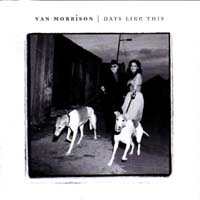 1995Days Like This
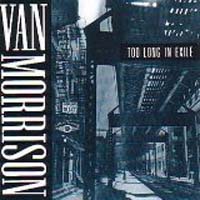 1993Too Long in Exile
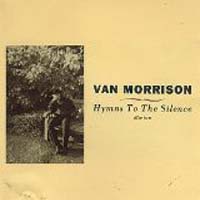 1991Hymns to the Silence
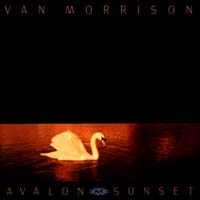 1989Avalon Sunset
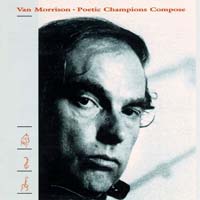 1987Poetic Champions Compose
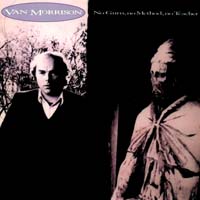 1986No Guru, No Method, No Teacher
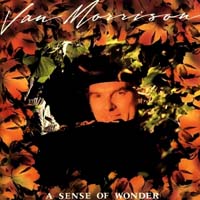 1984A Sense of Wonder
 1983Inarticulate Speech of the Heart
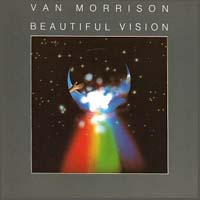 1982Beautiful Vision
 1980Common One
 1979Into the Music
 1977A Period of Transition
 1973Hard Nose the Highway
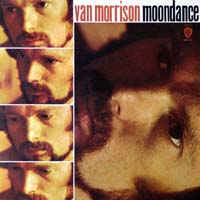 1970Moondance