
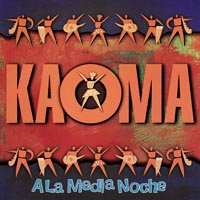
Inside the atmosphere of Kaoma's Tribal Pursuit
Tribal Pursuit- Album Overview
Released in 1993, "Tribal Pursuit" is the second studio album by the French-Brazilian group Kaoma, known for their infectious blend of lambada and pop music. The album was released under the label EMI and follows the commercial success of their debut album, which featured the worldwide hit "Lambada (Chorando Se Foi)." "Tribal Pursuit" continues to explore the vibrant rhythms of Brazilian music while incorporating various international influences. The album was produced by the talented French producer and musician, Jean-Claude Olivier, who was instrumental in shaping Kaoma’s distinctive sound.
The recording sessions took place in Paris, where the group collaborated with various musicians to create a rich tapestry of sounds. With tracks like "Dançando Lambada," "Samba de Janeiro," and "Melô do Tagarete," the album showcases a diverse range of musical styles. "Tribal Pursuit" gained popularity in Europe and Latin America, though it didn't achieve the same level of global success as its predecessor. The singles released from the album contributed to the lambada craze of the early 90s, reflecting a broader cultural fascination with Brazilian music and dance. The album’s vibrant artwork and energetic performances helped solidify Kaoma's place in the world music scene, making it a noteworthy entry in the genre of tropical pop.
Review
Highlights
- Catchy and danceable rhythms that capture the essence of lambada.
- Strong production quality that enhances the listening experience.
- An engaging mix of Brazilian and international musical influences.
Weak points
- Some tracks may feel repetitive or formulaic.
- Lyrical depth could be improved; themes are often simplistic.
- Does not reach the same iconic status as their debut album.
Overall evaluation
"Tribal Pursuit" is a joyful and rhythmic exploration of Brazilian music that offers a delightful listening experience, particularly for fans of dance music. While it may not break new ground, its infectious energy and catchy melodies make it a worthy addition to the Kaoma discography.
Personal rating: 7/10 1989Worldbeat