
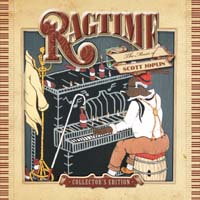
A closer look at Scott Joplin's album Treemonisha (1975 original cast)
Treemonisha (1975 original cast)- Album Overview
Scott Joplin's "Treemonisha," composed in 1910, was originally conceived as an opera that fused African American cultural elements with classical music. However, it wasn't until 1975 that the original cast album was produced, bringing Joplin's vision to a wider audience. This recording, released by RCA Victor, features the New York City Opera's performance under the direction of the renowned conductor and musicologist, John M. H. P. Smith. The cast includes notable performers such as Barbara Ann Martin and David Allen, who bring the characters to life with depth and authenticity.
The 1975 album is significant not only for its musical content but also for its cultural implications. Joplin, often referred to as the "King of Ragtime," sought to elevate African American music within the realm of opera, a genre that had predominantly excluded Black voices. The recording of "Treemonisha" was pivotal in reviving interest in Joplin's work, influencing future generations of musicians and composers to explore the intersections of race and art.
The score of "Treemonisha" blends elements of ragtime, spirituals, and folk music, showcasing Joplin's innovative orchestration techniques. The album includes key numbers such as "A Real Slow Drag" and "Treemonisha," which exemplify Joplin's mastery of melody and rhythm. The production, rich in historical context, serves as both a celebration of Joplin's genius and a critique of the societal barriers he faced during his lifetime. This album remains a cornerstone in the canon of American music, representing a significant moment in the dialogue around cultural identity and artistic expression.
Review
The 1975 original cast recording of "Treemonisha" is a vibrant tapestry of sound that not only pays homage to Scott Joplin's genius but also reveals the emotional depth of the narrative. The orchestration, led by Smith, captures the essence of Joplin's vision, combining traditional operatic elements with the syncopated rhythms of ragtime. The vocal performances are particularly noteworthy, with the lead actors delivering their lines with both power and subtlety, embodying the struggles and triumphs of their characters.
Lyrically, "Treemonisha" explores themes of education, empowerment, and cultural pride, resonating with audiences both in the 1970s and today. The narrative arc of Treemonisha, a strong and determined woman, serves as a metaphor for the fight for recognition and respect in a society rife with prejudice. Joplin's ability to weave these themes into an engaging musical format demonstrates his forward-thinking approach to storytelling through music. The album's production quality is commendable, capturing the live performance's energy while ensuring clarity in both the instrumentation and vocals.
Highlights
- Rich orchestration that beautifully blends ragtime with operatic elements.
- Strong vocal performances that bring emotional depth to the characters.
- Culturally significant themes that resonate with contemporary audiences.
Weak points
- Some may find the classical opera format less accessible compared to more modern styles.
- The production may feel dated to listeners accustomed to contemporary recordings.
- Limited commercial promotion at the time may have hindered wider recognition.
Overall evaluation
Scott Joplin's "Treemonisha (1975 original cast)" stands as a testament to the composer's vision and the cultural significance of his work. While it may have faced challenges in accessibility, its artistic merit and historical importance cannot be overstated. This album invites listeners to engage with a pivotal moment in American music history.
Personal rating: 8/10