
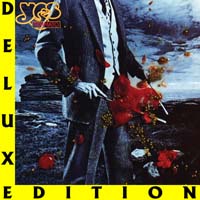
Diving deep into Tormato by Yes
Tormato- Album Overview
"Tormato," released in 1978, is the eighth studio album by the English progressive rock band Yes. Following the departure of keyboardist Rick Wakeman, the album was recorded with a new lineup featuring keyboardist Patrick Moraz, who brought a different dynamic to the band's sound. The album was produced by the band and engineered by the renowned sound engineer, Eddie Offord, known for his work with several iconic rock bands. Released under the Atlantic Records label, "Tormato" features a blend of progressive rock, art rock, and touches of pop, a direction that was somewhat controversial among fans and critics alike.
The album's cover art, designed by the famed artist Roger Dean, features his signature fantastical style, which complements the band's ethereal sound. Notable tracks include "Future Times / Rejoice," "Circus of Heaven," and "Onward," showcasing the band's intricate arrangements and musicianship. "Tormato" produced two singles: "Don't Kill the Whale" and "Release, Release," both of which achieved moderate success, further emphasizing the fusion of progressive and pop sensibilities that Yes was exploring at the time.
Culturally, "Tormato" arrived during a tumultuous period for progressive rock, as the genre faced criticism for being overly complex and inaccessible. Despite this, the album's willingness to experiment with more concise song structures and accessible melodies reflects a shift within the band, though it also led to mixed reviews from critics. Over the years, "Tormato" has been reassessed, with many fans appreciating its unique qualities and place in Yes's discography.
Review
The sound of "Tormato" is characterized by its rich harmonies and complex musical arrangements, which are hallmarks of Yes's style. The album opens with "The Revealing Science of God (Dance of the Dawn)," a nearly ten-minute track that encapsulates the band's progressive roots while introducing a more streamlined approach. Lyrically, the album traverses themes of nature, existentialism, and human experience, albeit in a more accessible manner than earlier works. The artistic vision of "Tormato" reflects the band's transition during a time of internal change, blending intricate musicianship with a desire for broader appeal.
While the album may not have reached the commercial heights of its predecessors, it showcases a band willing to adapt and evolve. Though some tracks, like "Circus of Heaven," may feel overly whimsical to some listeners, they embody the adventurous spirit that Yes is known for. Overall, "Tormato" serves as a significant chapter in Yes's legacy, highlighting their ability to navigate the shifting landscape of rock music in the late 1970s.
Highlights
- Intricate musicianship and rich harmonies.
- Exploration of new soundscapes with Patrick Moraz on keyboards.
- Notable tracks like "Don't Kill the Whale" and "Future Times / Rejoice."
Weak points
- Mixed critical reception upon release, leading to a divisive legacy.
- Some tracks may be perceived as overly whimsical or less cohesive.
- Less commercial success compared to earlier albums.
Overall evaluation
"Tormato" stands as a testament to Yes's resilience and adaptability in an evolving music landscape. While it may not be their most celebrated work, it offers a unique glimpse into a transitional period for the band. Its blend of progressive rock and accessible melodies has earned it a place in the hearts of many fans.
Personal rating: 7/10 2021The Quest
 2011Fly From Here
 2001Magnification
 1994Talk
 1991Union
 1987Big Generator
 198390125
 1980Drama
 1977Going for the One
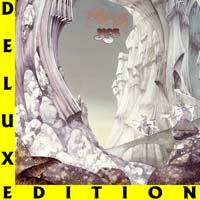 1974Relayer
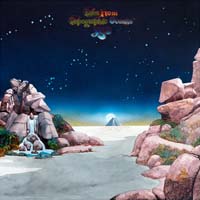 1973Tales From Topographic Oceans
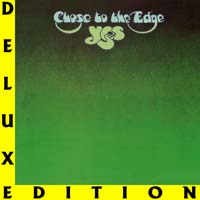 1972Close to the Edge
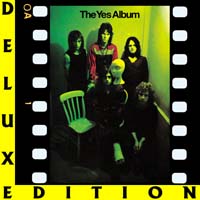 1971The Yes Album
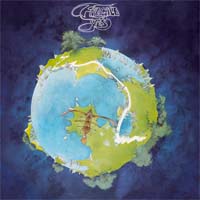 1971Fragile
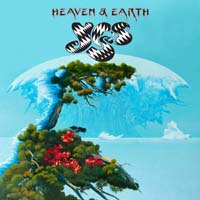 0Heaven