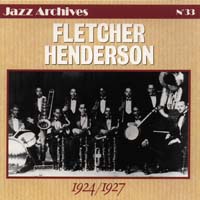
ALBUM NOTESAlbum spotlight: Fletcher Henderson – Tidal Wave
Tidal Wave- Album Overview
Fletcher Henderson's "Tidal Wave," released in 1928, is a significant entry in the world of jazz and big band music. The album showcases Henderson's pioneering arrangements, which played a crucial role in shaping the sound of jazz during the Harlem Renaissance. Henderson, often referred to as the "father of big band jazz," was instrumental in developing a sound that combined improvisation with structured arrangements, a hallmark of the genre.
The album was released under the Columbia Records label and features a collection of tracks that highlight Henderson's innovative approach to orchestration. Many of the tracks include collaborations with notable musicians of the time, including Louis Armstrong and Coleman Hawkins, who contributed their unique styles to the recordings. The arrangements on "Tidal Wave" encapsulate the vibrant energy of the late 1920s, blending elements of blues and swing to create a sound that was both sophisticated and accessible.
One of the standout singles from the album, "Tidal Wave," exemplifies Henderson's capability to merge complex musical ideas with catchy melodies, a formula that would influence countless artists in the years to follow. The album's recording sessions took place in New York City, where Henderson's band was a prominent fixture in the jazz scene.
The cultural significance of "Tidal Wave" lies not only in its musicality but also in its role in the broader narrative of African American artistic expression during a time of social change. Henderson's work helped pave the way for future generations of jazz musicians, and "Tidal Wave" remains a testament to his legacy.
Review
"Tidal Wave" is a masterclass in orchestration, showcasing Fletcher Henderson's ability to blend individual artistry with collective performance. The album opens with a dynamic introduction, immediately drawing listeners into its lively soundscape. The interplay between brass and woodwinds is particularly noteworthy, creating a rich tapestry of sound that is both intricate and engaging.
Lyrically, the tracks are often light-hearted and playful, reflecting the optimism of the era. However, the true strength of "Tidal Wave" lies in its musical arrangements. Henderson's compositions are layered and complex, yet they never lose their sense of rhythm and swing. The improvisational solos, especially from the likes of Armstrong and Hawkins, add an exhilarating spontaneity that keeps the listener on their toes.
Artistically, Henderson's vision for "Tidal Wave" transcends mere entertainment; it serves as a cultural artifact that captures a pivotal moment in American music history. The album's blend of jazz with popular music of the time made it accessible to a wider audience, helping to elevate jazz from its roots in the clubs of Harlem to mainstream popularity.
Highlights
- Innovative orchestration that blends improvisation with structured arrangements.
- Dynamic performances by iconic jazz musicians like Louis Armstrong and Coleman Hawkins.
- Cultural significance as a representation of the Harlem Renaissance and the evolution of jazz.
Weak points
- Some tracks may feel dated to modern listeners unfamiliar with early jazz styles.
- The overall production quality is reflective of its time, lacking the polish of contemporary recordings.
- Limited lyrical depth in certain songs may not resonate with all audiences.
Overall evaluation
"Tidal Wave" is a remarkable showcase of Fletcher Henderson's artistry and a vital piece of jazz history. It captures the spirit of its time while laying the groundwork for future innovations in the genre. While it may not appeal to every listener today, its historical and musical significance is undeniable.
Personal rating: 8/10