Album overview
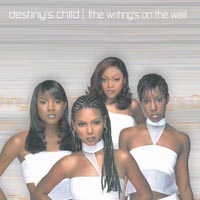
Released on July 27, 1999, "The Writing's on the Wall" marked a significant turning point for Destiny's Child, solidifying their place in the R&B and pop music landscape. The album was produced under Columbia Records and features a blend of contemporary R&B, soul, and pop elements. It was the group's second studio album and showcased the vocal talents of members Beyoncé Knowles, Kelly Rowland, and Michelle Williams, who joined the group shortly before its release.
The album's production involved notable collaborators including hitmakers like Rodney Jerkins, who contributed to the chart-topping single "Say My Name," and the legendary producer Kevin "She'kspere" Briggs. The album features 14 tracks, including other successful singles like "Jumpin', Jumpin'" and "Get on the Bus." "The Writing's on the Wall" was both a commercial and critical success, debuting at number five on the Billboard 200 and eventually going multi-platinum in the United States.
Culturally, the album addressed themes of love, empowerment, and relationships, resonating strongly with its audience. It was a pivotal work that not only elevated Destiny's Child's career but also influenced a generation of female artists, showcasing the power of women's voices in the music industry. The album received several Grammy nominations and won two, further solidifying its impact.
Review
"The Writing's on the Wall" is a polished gem that seamlessly combines catchy hooks with powerful vocal performances. The album's standout track, "Say My Name," is a masterclass in vocal arrangement, where the trio's harmonies create a captivating sound that is both intricate and accessible. Lyrically, the album explores the complexities of relationships, often with a strong feminist undertone, encouraging women to assert their worth. Tracks like "Jumpin', Jumpin'" showcase a more upbeat, celebratory vibe, while others like "Get on the Bus" delve into themes of longing and desire.
Artistically, Destiny's Child took significant strides in their sound, moving away from the more traditional R&B roots of their debut album. The production is slick, modern, and infused with elements of hip-hop, making it relevant to the late '90s soundscape. The album's cohesion and the group's vocal chemistry are remarkable, creating a listening experience that feels both fresh and timeless.
Highlights
- Exceptional vocal performances and harmonies throughout the album.
- Strong and relatable lyrical themes that resonate with listeners.
- Production quality that showcases the evolution of R&B in the late '90s.
Weak points
- Some tracks may feel formulaic compared to the standout singles.
- Occasional reliance on familiar R&B tropes that could alienate some listeners.
- Limited diversity in musical styles across the album.
Overall evaluation
In summary, "The Writing's on the Wall" is a landmark album that not only defined Destiny's Child as a leading force in R&B but also paved the way for future female artists. Its combination of powerful vocals, relatable lyrics, and polished production make it a classic in the genre. The album's cultural significance cannot be overstated, as it continues to inspire and influence artists today.
Personal rating: 9/10
```

 2004Destiny Fulfilled