ALBUM NOTESExploring the sound of Bruce Springsteen-The Wild, the Innocent : The Wild, the Innocent
Album overview
Bruce Springsteen's second studio album, "The Wild, the Innocent & the E Street Shuffle," was released on September 11, 1973, under Columbia Records. This album marked a significant evolution in Springsteen's sound, showcasing a blend of rock, folk, and jazz influences. Produced by Mike Appel and Springsteen himself, the album features a total of 7 tracks, including notable songs such as "Rosalita (Come Out Tonight)," "4th of July, Asbury Park (Sandy)," and "Incident on 57th Street."
Recording took place at 914 Sound Studio in New York City, where Springsteen collaborated with the E Street Band, which included key members like Clarence Clemons and Danny Federici. The album's narrative-driven lyrics paint vivid portraits of youthful dreams and struggles in urban America, encapsulating the essence of the early 1970s. Although it was not a commercial success initially, peaking at number 59 on the Billboard charts, its cultural significance grew over the years, influencing countless artists and establishing Springsteen as a voice for the working class. The album is often celebrated for its lyrical depth and melodic richness, marking Springsteen's maturation as a songwriter and performer.
Review
"The Wild, the Innocent & the E Street Shuffle" showcases Bruce Springsteen's ability to weave intricate stories through his music. The sound is characterized by a vibrant mix of rock and jazz, with the E Street Band's lush instrumentation elevating the tracks. Songs like "Rosalita" are exuberant and celebratory, while "4th of July, Asbury Park (Sandy)" offers a more reflective tone, merging nostalgia with a sense of longing.
Lyrically, Springsteen's storytelling shines as he portrays the joys and heartaches of youth, painting a vivid picture of life in New Jersey. His distinctive voice, combined with the rich arrangements, creates an atmosphere that feels both intimate and grand. The artistic vision presented in this album captures the essence of an era, resonating deeply with listeners who can relate to the themes of hope and resilience. Overall, it is a celebration of life’s exuberance, as well as a poignant reflection on lost dreams.
Highlights
- The vibrant and eclectic mix of rock, jazz, and folk influences.
- Richly detailed storytelling that resonates on a personal level.
- Standout tracks like "Rosalita" and "4th of July, Asbury Park (Sandy)" showcase Springsteen’s lyrical genius.
Weak points
- Initial commercial performance was underwhelming, limiting its immediate recognition.
- Some listeners may find the jazz influences less appealing than traditional rock.
- The album's length might deter those preferring more concise records.
Overall evaluation
"The Wild, the Innocent & the E Street Shuffle" stands as a testament to Bruce Springsteen's artistic growth and his ability to capture the spirit of a generation. It may not have achieved immediate commercial success, but its lasting impact and critical acclaim signify its importance in the rock canon.
Personal rating: 9/10
```

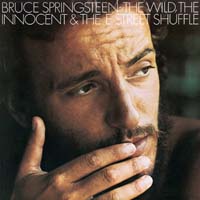
 2022Only The Strong Survive: Covers Vol. 1
 2014High Hopes
 2011Wrecking Ball
 2009Working on a Dream
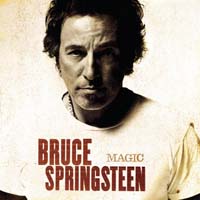 2007Magic
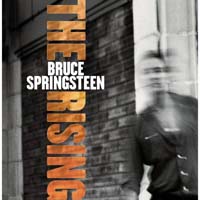 2002The Rising
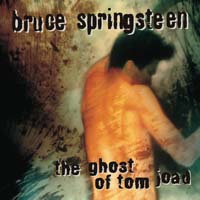 1995The Ghost of Tom Joad
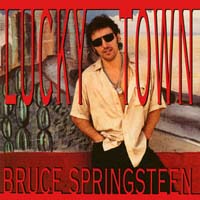 1992Lucky Town
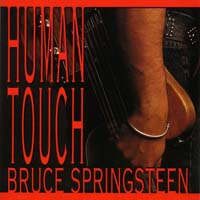 1992Human Touch
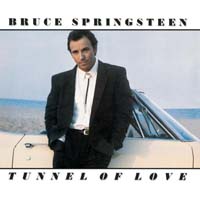 1987Tunnel of Love
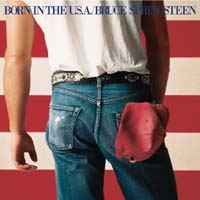 1984Born in the U.S.A.
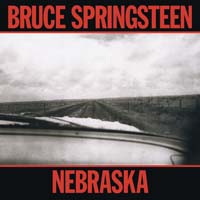 1982Nebraska
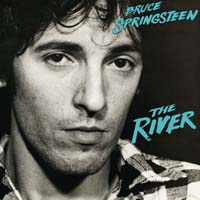 1980The River
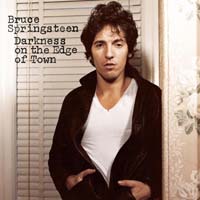 1978Darkness on the Edge of Town
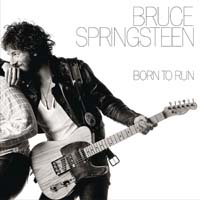 1975Born to Run
 1973The Wild, The Innocent & The E Street Shuffle
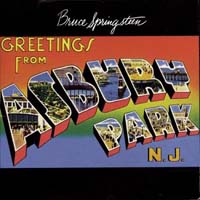 1973Greetings From Asbury Park, N.J.
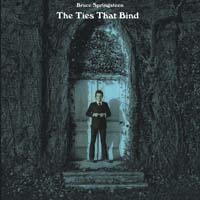 0The Ties That Bind
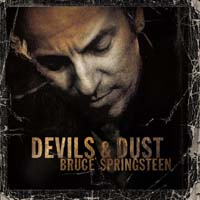 0Devils