

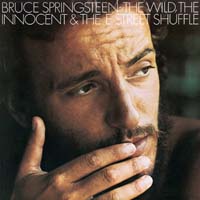
The Wild, The Innocent & The E Street Shuffle: the next chapter for Bruce Springsteen
The Wild, The Innocent & The E Street Shuffle- Album Overview
"The Wild, The Innocent & The E Street Shuffle," released on September 11, 1973, represents a pivotal moment in Bruce Springsteen's career, marking his second studio album. Released under Columbia Records, the album showcases a blend of rock, jazz, and folk influences, cementing Springsteen's status as a rising star in the American music scene. The recording sessions took place at 914 Sound Studios in New York City, where Springsteen collaborated with members of the E Street Band, including saxophonist Clarence Clemons and pianist David Sancious, both of whom contributed significantly to the album's rich soundscape. The album features notable tracks such as "Rosalita (Come Out Tonight)," "4th of July, Asbury Park (Sandy)," and "Wild Billy’s Circus Story," each illustrating Springsteen's knack for storytelling and vivid lyricism. The singles released from the album, especially "Rosalita," failed to achieve commercial success upon release, but they have since gained immense popularity, showcasing Springsteen's evolving artistic vision. Culturally, the album captures the essence of early 1970s America, reflecting the hopes, dreams, and struggles of a generation. With its intricate arrangements and poignant lyrics, "The Wild, The Innocent & The E Street Shuffle" laid the groundwork for Springsteen's later masterpieces, establishing a unique voice in rock music that resonates with fans to this day.
Review
This album is a vibrant tapestry of sound, weaving together elements of rock, jazz, and folk that reflect the eclectic influences surrounding Springsteen at the time. The instrumentation is rich and varied, with Clemons' saxophone adding a soulful depth to the music. Lyrically, Springsteen excels in creating vivid narratives that capture the spirit of youthful exuberance and disillusionment. Songs like "4th of July, Asbury Park (Sandy)" stand out for their lyrical complexity, presenting a bittersweet portrait of love and longing set against the backdrop of a changing America. The title track, "The E Street Shuffle," showcases a playful yet poignant exploration of life and identity, revealing Springsteen's artistic vision as one that embraces both joy and sorrow. The album may not have achieved immediate commercial success, but its artistic merit and cultural significance have only grown over time, influencing countless artists and solidifying Springsteen's place in the pantheon of American music.
Highlights
- Rich and varied instrumentation that enhances the storytelling.
- Vivid, relatable lyrics that resonate with listeners.
- Strong collaborative performance from the E Street Band, especially the contributions of Clarence Clemons.
Weak points
- Initial commercial performance was lackluster, limiting wider recognition at the time.
- Some tracks may feel less polished compared to Springsteen's later works.
- The album's eclectic style may not appeal to all listeners, especially those preferring more straightforward rock.
Overall evaluation
"The Wild, The Innocent & The E Street Shuffle" is a significant work that showcases Bruce Springsteen's early artistic vision and musical talent. While it may not have achieved immediate commercial success, its rich narratives and vibrant instrumentation have earned it a lasting place in music history.
Personal rating: 8.5/10 2022Only The Strong Survive: Covers Vol. 1
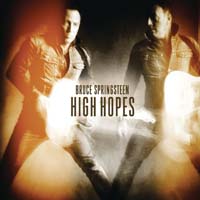 2014High Hopes
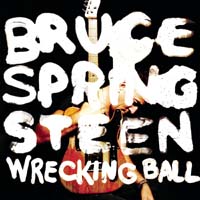 2011Wrecking Ball
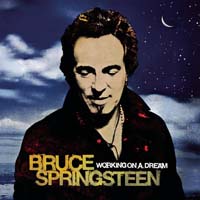 2009Working on a Dream
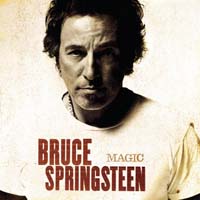 2007Magic
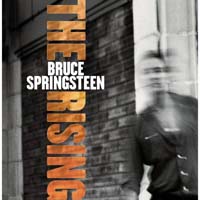 2002The Rising
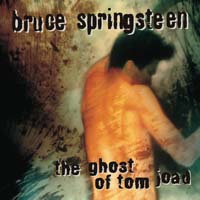 1995The Ghost of Tom Joad
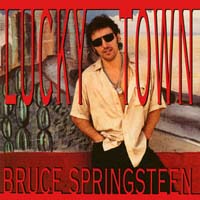 1992Lucky Town
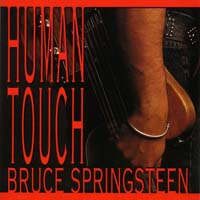 1992Human Touch
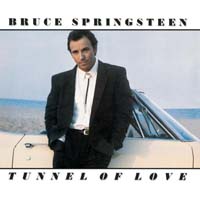 1987Tunnel of Love
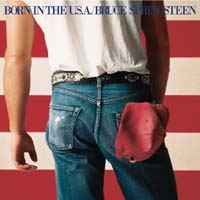 1984Born in the U.S.A.
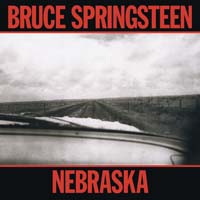 1982Nebraska
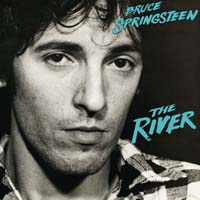 1980The River
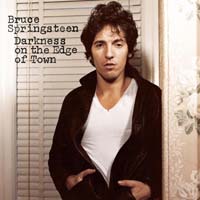 1978Darkness on the Edge of Town
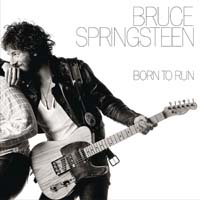 1975Born to Run
 1973The Wild, The Innocent & The E Street Shuffle
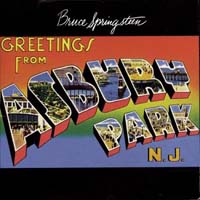 1973Greetings From Asbury Park, N.J.
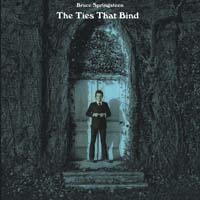 0The Ties That Bind
 0The Wild, the Innocent
 0Devils