
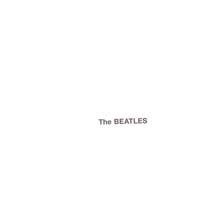
The evolution of The Beatles in The White Album
The White Album- Album Overview
Released on November 22, 1968, "The White Album," officially titled "The Beatles," marks a pivotal moment in the band's evolution. This double album was produced by George Martin and released under the Apple Records label. The recording sessions, which took place primarily at Abbey Road Studios, were characterized by a palpable tension among the band members, reflecting their individual artistic directions and personal struggles. The album features a wide array of musical styles, from rock and folk to avant-garde and experimental, demonstrating the band's willingness to explore new territories. The White Album includes notable tracks like "Back in the U.S.S.R.," "While My Guitar Gently Weeps," and "Helter Skelter," each showcasing different facets of The Beatles' creativity. The album's eclectic nature is further enhanced by contributions from various collaborators, including Eric Clapton, who played lead guitar on "While My Guitar Gently Weeps." Despite its mixed initial reception, the album has grown in stature over the years, being recognized as one of the greatest albums of all time. It reflects the cultural upheaval of the late 1960s, with its themes of disillusionment and experimentation resonating deeply with the era's counterculture. The White Album's influence is evident in countless genres and has inspired generations of musicians and fans alike.
Review
The White Album stands as a testament to The Beatles' artistic vision, showcasing their ability to blend various musical styles while pushing the boundaries of pop music. The sound is diverse; from the hard rock of "Helter Skelter" to the haunting balladry of "Julia," the album shifts effortlessly between genres, reflecting the individual influences of each band member. Lyrically, it is a complex tapestry of surreal imagery and introspective themes, particularly in tracks like "Dear Prudence" and "Happiness Is a Warm Gun." While the album's sprawling 30 tracks may feel disjointed at times, this eclecticism is arguably its strength, inviting listeners to engage with a wide range of emotions and narratives. The ambitious scope of The White Album also highlights the band's internal conflicts, as they grappled with fame, artistry, and their own identities. This struggle is palpable in the raw energy of tracks like "Revolution 1," which encapsulates the political zeitgeist of the time, contrasting sharply with the more playful "Ob-La-Di, Ob-La-Da." Overall, The White Album is both a celebration of The Beatles' musical genius and a poignant reflection of their turbulent journey.
Highlights
- Innovative musical diversity, showcasing various genres and styles.
- Iconic tracks that have become timeless classics.
- Reflects the cultural and personal tensions of the late 1960s.
Weak points
- Occasional disjointedness in the flow due to its sprawling nature.
- Some tracks may feel underdeveloped or out of place.
- Initial mixed reviews highlighted confusion over its eclecticism.
Overall evaluation
The White Album is a bold statement of artistic freedom and individuality, encapsulating the complexities of The Beatles' journey. Its lasting impact on music and culture cannot be overstated. Personal rating: 9/10
 2000Let It Be / Rarities
 1966Revolver
 1963Please Please Me