

Laibach experiments boldly on The Sound Of Music
The Sound Of Music- Album Overview
Released in 2020, "The Sound Of Music" is a daring reinterpretation of the classic 1965 musical score by the Slovenian avant-garde group Laibach. Known for their provocative approach, Laibach takes the beloved songs of Richard Rodgers and Oscar Hammerstein II and infuses them with their signature industrial and martial sound. This album was released through the label MUTE, further solidifying their relationship with a label that has a history of promoting innovative and boundary-pushing music. The recording sessions took place in various studios across Europe, with Laibach's core members—Milan Fras, Ivan Novak, and others—collaborating closely to produce a unique auditory experience that both pays homage to and deconstructs the original material. The album features notable tracks such as “The Sound of Music,” “Edelweiss,” and “My Favorite Things,” all reimagined with Laibach's characteristic heavy beats, orchestral arrangements, and theatrical vocals. The project also includes contributions from various artists, incorporating elements of performance art that enhance the album's overall impact. Each track serves as a commentary on themes of nostalgia, authority, and cultural identity, making the album not only a musical endeavor but also a thought-provoking exploration of how art reflects society. The choice of a children's musical as the source material speaks volumes about Laibach's intent to challenge preconceived notions and explore the darker, often unaddressed aspects of beloved cultural artifacts. This bold move positions "The Sound Of Music" as a significant entry in both Laibach's discography and the broader musical landscape.
Review
The juxtaposition of Laibach's industrial soundscapes with the fragile melodies of "The Sound of Music" creates a striking contrast that is both unsettling and compelling. The album opens with a haunting rendition of the title track, immediately setting a tone that is far removed from the innocence typically associated with the original musical. Laibach's use of deep, resonant vocals paired with military-style percussion transforms familiar tunes into anthems of defiance. Lyrically, the reinterpretations maintain the essence of the original songs while layering them with new meanings, reflecting on themes of love, loss, and resilience in a world rife with conflict. The artistic vision is ambitious; Laibach does not merely cover these songs but rather reclaims them, reshaping their context for a contemporary audience. The production quality is impeccable, with each track meticulously crafted to evoke an emotional response. While some may find this approach jarring, it is precisely this boldness that defines Laibach's artistic philosophy, pushing boundaries and stimulating dialogue about the nature of music and memory.
Highlights
- Innovative reinterpretation of classic songs
- High production quality and attention to detail
- Provocative social commentary embedded in the music
Weak points
- Some tracks may alienate purists of the original musical
- The heavy industrial sound may not appeal to all listeners
- Lack of original vocal warmth found in the classic version
Overall evaluation
Overall, Laibach's "The Sound Of Music" is a bold and thought-provoking reimagining that challenges listeners to reconsider the cultural narratives embedded in familiar melodies. While it may not resonate with everyone, its artistic ambition and unique perspective make it a noteworthy contribution to both Laibach's oeuvre and the genre of musical reinterpretation.
Personal rating: 8/10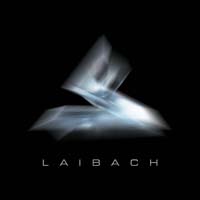 2014Spectre
 2006Volk
 1987Opus Dei