ALBUM NOTESInside The Score by The Fugees
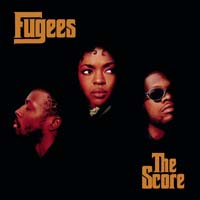
The Score- Album Overview
The Fugees' album "The Score," released on February 13, 1996, stands as a landmark in hip-hop history. Hailing from South Orange, New Jersey, the group consists of members Wyclef Jean, Lauryn Hill, and Pras Michel. Released under the Ruffhouse Records label and produced by Wyclef Jean and Jerry "Wonda" Duplessis, the album showcases a rich blend of hip-hop, reggae, and soul influences. Recorded across various studios, including the famous Criteria Studios in Miami, "The Score" features collaborations with notable artists like John Forte and the legendary musician Bob Marley, whose influence permeates throughout the project.
The album gained significant attention for its lead singles, "Killing Me Softly," a reinterpretation of Roberta Flack's classic, and "Ready or Not," which samples the classic track "Boadicea" by Enya. "The Score" not only topped charts globally but also received critical acclaim for its innovative sound and socially conscious lyrics, tackling themes of identity, race, and resilience. The album has since been credited with bringing hip-hop to a more mainstream audience and is often regarded as one of the greatest hip-hop albums of all time. Its cultural impact was profound, bridging genres and influencing countless artists.
With its seamless blending of musical styles and poignant lyricism, "The Score" remains a timeless piece that captures the essence of 90s hip-hop while maintaining relevance in today’s music landscape. The album's ability to combine personal narratives with broader social commentary has made it a significant work in both the music industry and popular culture.
Review
"The Score" is a masterclass in genre fusion, where each track is meticulously crafted to showcase the strengths of The Fugees' diverse talents. Wyclef Jean's production is dynamic, incorporating live instrumentation and intricate samples that create a rich auditory tapestry. Lauryn Hill’s vocals are a standout feature, displaying an emotional range that elevates the album’s lyrical themes. Her delivery on tracks like "Doo Wop (That Thing)" is both powerful and soulful, while Pras Michel provides a rhythmic backbone that complements the group's sound.
Lyrically, the album navigates the complexities of urban life with honesty and insight. Tracks like "The Mask" reflect on identity and the pressures of fame, while "Vocab" offers a playful yet sharp commentary on communication and connection. The blend of serious themes with accessible hooks makes the album not only thought-provoking but also widely appealing. The Fugees' artistic vision is clear: they seek to challenge conventions while engaging listeners on multiple levels.
Overall, "The Score" is more than just an album; it is a cultural phenomenon that encapsulates the spirit of an era. Its ability to resonate with a wide audience speaks to its timeless appeal.
Highlights
- Seamless fusion of hip-hop, reggae, and soul.
- Powerful and emotive vocal performances by Lauryn Hill.
- Innovative production techniques that set new standards in the genre.
Weak points
- Some tracks may feel dated to modern listeners.
- Occasional unevenness in pacing across the album.
- Limited guest features, which could have added more variety.
Overall evaluation
"The Score" by The Fugees remains a seminal work in hip-hop, blending sharp lyrical content with innovative production. Its cultural impact cannot be overstated, and it continues to inspire new generations of artists.
Personal rating: 9/10

 1996Refugee Camp: Bootleg Versions