ALBUM NOTESReview of David Bowie-The Rise and Fall of Ziggy Stardust and the Spiders From Mars – The Rise and Fall of Ziggy Stardust and the Spider
Album overview
David Bowie's "The Rise and Fall of Ziggy Stardust and the Spiders from Mars," released on June 16, 1972, is a seminal concept album that encapsulates the glam rock movement of the early 1970s. Released by RCA Records, the album is notable for its innovative fusion of rock, pop, and theatricality. It features iconic tracks such as "Starman," "Suffragette City," and "Rock 'n' Roll Suicide," each contributing to the narrative of Ziggy Stardust, an androgynous rock star who becomes a prophet for a disillusioned generation. The album was produced by Bowie and Ken Scott, showcasing a collaboration that balanced Bowie's ambitious vision with Scott's technical expertise. The recording took place at Trident Studios in London, where Bowie worked with a talented ensemble, including Mick Ronson on guitar, who played a crucial role in shaping the album's sound. The cultural impact of Ziggy Stardust cannot be overstated, it challenged traditional gender norms and inspired countless artists and movements, making it a cornerstone of both rock music and LGBTQ+ representation. The album reached No. 5 on the UK Albums Chart and has since been regarded as one of the greatest albums of all time, influencing generations with its bold exploration of identity and fame.
Review
Bowie's "Ziggy Stardust" is a brilliant exploration of fame and alienation, delivered through a unique blend of sound and lyricism. Musically, the album deftly balances glam rock's flamboyance with poignant storytelling, showcasing Bowie's ability to craft songs that resonate emotionally. The lyrics are rich with imagery and metaphor, depicting Ziggy's rise and fall in a way that feels both personal and universal. Tracks like "Starman" radiate an infectious optimism, while "Rock 'n' Roll Suicide" embodies despair and introspection, demonstrating Bowie's range as a songwriter. The instrumentation, led by Mick Ronson's electrifying guitar work, is both innovative and accessible, creating an auditory experience that captures the spirit of an era. Bowie's performance, both vocally and visually, solidifies his status as a cultural icon, making Ziggy Stardust not just an album but a transformative experience in the landscape of popular music.
Highlights
- Innovative sound blending rock, pop, and theatrical elements.
- Iconic tracks that have become staples in music history.
- Profound cultural impact that challenged gender norms and influenced future artists.
Weak points
- The concept may be challenging for some listeners unfamiliar with glam rock themes.
- Some tracks may feel less cohesive in the context of the album's narrative.
- Limited appeal to audiences who prefer more traditional rock music structures.
Overall evaluation
"The Rise and Fall of Ziggy Stardust and the Spiders from Mars" is a landmark achievement that transcends its era, reflecting both personal and cultural narratives with unmatched artistry. Its influence continues to resonate in music and fashion today.
Personal rating: 10/10
```


 2013The Next Day
 2011Toy
 1997Earthling
 1993Black Tie White Noise
 1987Never Let Me Down
 1984Tonight
 1979Lodger
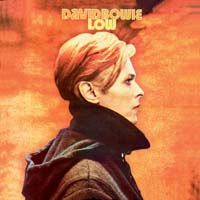 1977Low
 1976Station to Station
 1975Young Americans
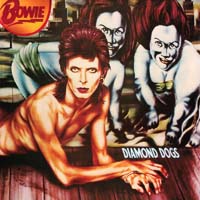 1974Diamond Dogs
 1973Pin Ups
 1973Aladdin Sane
 1971Hunky Dory
 1970The Man Who Sold the World
 1969Space Oddity
 1967David Bowie