ALBUM NOTESAlbum spotlight: George Russell-The Outer View – The Outer View
Album overview
George Russell’s "The Outer View" is a landmark album in the realm of jazz, released in 1962 under the Blue Note Records label. A visionary composer and theorist, Russell's work on this album showcases his innovative approach to jazz harmony and rhythm. "The Outer View" features a rich ensemble of talented musicians, including renowned jazz trumpeter Don Ellis, saxophonist Joe Farrell, and bassist David Izenzon, among others. Recorded in New York City, the album exemplifies the groundbreaking fusion of traditional jazz with avant-garde elements, which Russell championed throughout his career.
The production was notable for its ambition, incorporating complex time signatures and modal jazz techniques that were relatively new to the genre at that time. The album comprises several standout tracks, such as "Ezz-thetic," which reflects Russell's deep understanding of music theory and his ability to translate that into compelling compositions. Singles from the album did not achieve commercial success in the conventional sense, but they remain influential among jazz musicians and are often cited in discussions about the evolution of jazz in the 1960s.
"The Outer View" represents not only a significant artistic statement by Russell but also a cultural marker of an era when jazz was beginning to explore new boundaries. The album has been praised for its intellectual depth and emotional resonance, making it a critical piece for both jazz aficionados and those interested in the broader implications of jazz music in the context of American art.
Review
In "The Outer View," George Russell delivers a compelling synthesis of intellectual rigor and emotional depth, pushing the boundaries of jazz in the early 1960s. The album's sound is characterized by intricate arrangements and the use of modal scales, a hallmark of Russell's innovative compositional style. The interplay between the musicians creates a dynamic listening experience that is both cerebral and visceral. Each track unfolds like a narrative, with shifts in tempo and mood that keep the listener engaged.
Lyrically, while the album is primarily instrumental, the music communicates a range of emotions—from the introspective and contemplative to the exuberant and free-spirited. Russell’s artistic vision is clear, he seeks to expand the listener's understanding of what jazz can be, merging traditional elements with avant-garde concepts. The musicianship throughout is exceptional, with each player contributing to the overall tapestry of sound.
Overall, "The Outer View" stands as a significant achievement in jazz history, reflecting the genre's capacity for innovation and its cultural relevance during a transformative period in American music.
Highlights
- Innovative compositions that challenge traditional jazz norms.
- Exceptional musicianship from a talented ensemble of jazz artists.
- Cultural significance as a reflection of jazz's evolution in the 1960s.
Weak points
- Complexity may alienate listeners not familiar with avant-garde jazz.
- Lack of commercial singles might limit mainstream recognition.
- Some arrangements may feel dense, requiring multiple listens to fully appreciate.
Overall evaluation
George Russell's "The Outer View" is a remarkable exploration of jazz that melds intellectual depth with emotional expression. Its significance in the jazz canon cannot be overstated, and it continues to inspire musicians and listeners alike.
Personal rating: 9/10
```


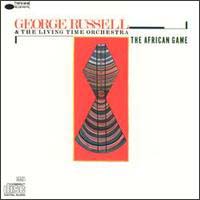 1986The African Game
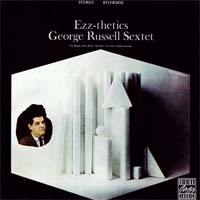 1961Ezz-thetics