Album overview
Iron Maiden's "The Number of the Beast" was released on March 22, 1982, and stands as a landmark in heavy metal history. Released under the label EMI, this was the band's third studio album and marked the first full-length recording with iconic vocalist Bruce Dickinson. The album was produced by Martin Birch, who played a crucial role in shaping the band's sound. "The Number of the Beast" features a blend of heavy metal, progressive rock, and even touches of classical music, showcasing the band's technical prowess and ambitious songwriting.
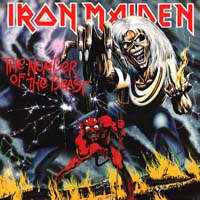
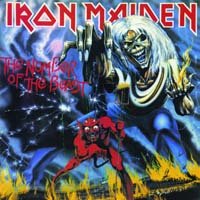
The album includes classic tracks such as "Hallowed Be Thy Name," "Run to the Hills," and the title track "The Number of the Beast." Each song explores themes of horror, mythology, and existential dread, often inspired by literature and film, notably influenced by the 1976 film "Damien: Omen II." The album cover, painted by Derek Riggs, became iconic in its own right, depicting a demonic figure and contributing to the album's controversial reputation, particularly in the U.S., where it faced backlash from religious groups.
Singles like "Run to the Hills" and "The Number of the Beast" achieved commercial success, helping propel the band into the limelight and solidifying their status as one of the leading acts of the New Wave of British Heavy Metal (NWOBHM). The cultural significance of the album cannot be overstated, it has influenced countless bands and continues to be celebrated for its groundbreaking sound and lyrical depth. "The Number of the Beast" not only defines Iron Maiden's career but also the heavy metal genre itself, making it a must-listen for fans and newcomers alike.
Review
"The Number of the Beast" is a quintessential heavy metal album that perfectly encapsulates Iron Maiden's artistic vision. The sound is characterized by intricate guitar riffs, powerful drumming, and Dickinson's soaring vocals, which together create an electrifying atmosphere. Lyrically, the album delves into dark themes, often drawing from literary sources, which adds a layer of sophistication to the music. The seamless transitions between songs showcase the band's ability to craft a cohesive narrative throughout the album.
Musically, the album is both aggressive and melodic. Tracks like "Hallowed Be Thy Name" demonstrate exceptional songwriting, with its epic structure and haunting lyrics, while "Run to the Hills" offers a more straightforward, energetic anthem that has become a staple in the heavy metal canon. The production quality, overseen by Martin Birch, is polished yet raw enough to capture the live energy of Iron Maiden’s performances, making the album feel vibrant and alive.
Overall, "The Number of the Beast" is a masterclass in heavy metal, combining technical skill with thought-provoking lyrics, all wrapped in a memorable package that has stood the test of time.
Highlights
- Iconic and influential tracks that have become classics in the genre.
- Expert musicianship and innovative songwriting.
- Powerful and dynamic vocal performance by Bruce Dickinson.
Weak points
- Some tracks may feel dated to modern listeners unfamiliar with the genre.
- The album's thematic elements may not resonate with all audiences.
- Controversial imagery and lyrics may alienate some listeners.
Overall evaluation
Iron Maiden's "The Number of the Beast" is not just an album, it is a cultural touchstone in the world of heavy metal. Its blend of aggressive riffs, melodic elements, and thought-provoking lyrics cements its place as a classic. This album is essential listening for anyone looking to understand the evolution of metal music.
Personal rating: 9/10
```

 2021Senjutsu
 2010The Final Frontier
 2006A Matter of Life and Death
 2003Dance of Death
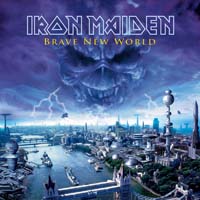 2000Brave New World
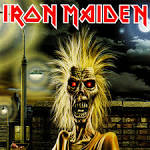 1998Maiden Voyage
 1998Virtual XI
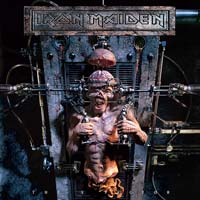 1995The X Factor
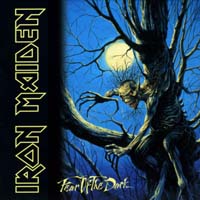 1992Fear of the Dark
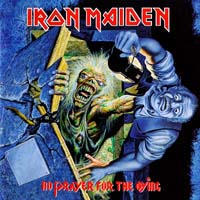 1990No Prayer for the Dying
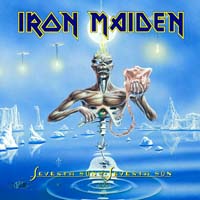 1988Seventh Son of a Seventh Son
 1986Somewhere in Time
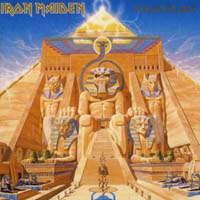 1984Powerslave
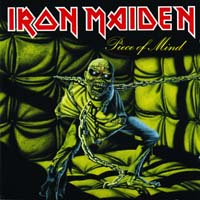 1983Piece of Mind
 1981Killers
 1980Iron Maiden