
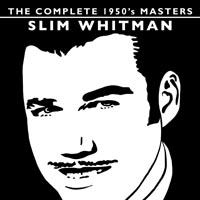
One week with The Man With the Singing Guitar, Volume 2: thoughts on Slim Whitman
The Man With the Singing Guitar, Volume 2- Album Overview
"The Man With the Singing Guitar, Volume 2" is the second album by the iconic American country and pop singer Slim Whitman, released in 1955 under the RCA Victor label. Following the success of his first volume, this album continued to showcase Whitman's unique vocal style, characterized by his yodeling ability and smooth falsetto. The album features a collection of tracks that blend traditional country with pop sensibilities, a hallmark of Whitman's career. The recording sessions took place in Nashville, Tennessee, where Whitman worked with a talented group of session musicians, including guitarists and string players who contributed to the rich, melodic sound. This album includes notable tracks such as "Rose Marie," which became one of his signature songs, and "Indian Love Call," further cementing his place in the hearts of fans who appreciated the romantic and often nostalgic themes present in his music. Whitman's ability to transcend genres helped him capture a diverse audience, and his musical style, often described as "Western pop," resonated during a time when rock and roll was beginning to emerge. The cultural significance of this album lies in its contribution to the popularity of country music beyond its traditional boundaries, paving the way for future artists. The album was well-received and solidified Whitman's status as a leading figure in American music, influencing countless artists who followed in his footsteps.
Review
The sound of "The Man With the Singing Guitar, Volume 2" is a captivating blend of heartfelt ballads and upbeat tunes, all delivered with Whitman's signature vocal prowess. His smooth, emotive delivery engages listeners, drawing them into the stories he tells through his lyrics. The arrangements are lush yet understated, allowing Whitman's voice to take center stage. Songs like "Rose Marie" exhibit his ability to convey deep emotion, while tracks such as "Indian Love Call" showcase his playful, yodeling flair. Lyrically, the album navigates themes of love, longing, and nostalgia, elements that resonate strongly across generations. Whitman’s artistic vision is clear in his desire to connect emotionally with his audience, and this collection of songs does just that. The production quality reflects the era's standards, with a polished sound that was becoming increasingly popular in the mid-1950s. While some may find the style a bit dated, it undeniably represents a significant period in American music history, marking the transition of country music into the mainstream.
Highlights
- Whitman's unique vocal style, particularly his yodeling technique, stands out throughout the album.
- The emotional depth of songs like "Rose Marie" showcases Whitman's ability to connect with listeners.
- The album's blend of country and pop elements exemplifies the musical diversity of the 1950s.
Weak points
- Some tracks may feel overly sentimental or simplistic to modern listeners.
- The production style may come off as dated compared to contemporary standards.
- Lack of musical experimentation in some songs may limit appeal to a broader audience.
Overall evaluation
"The Man With the Singing Guitar, Volume 2" is a testament to Slim Whitman's enduring legacy as a vocal powerhouse in the realms of country and pop music. Despite its occasional limitations in musical experimentation and production, the album remains a charming collection that highlights Whitman’s unique artistry and emotional storytelling.
Personal rating: 7/10