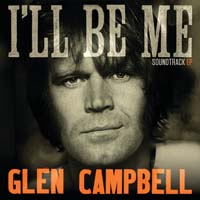
ALBUM NOTESListening to The Last Time I Saw Her by Glen Campbell
Album overview
Glen Campbell's "The Last Time I Saw Her," released in 1971, is a significant album in the singer-songwriter's discography, showcasing his talents not only as a performer but also as a storyteller. This album was released under the Capitol Records label and features a blend of country and pop influences, characteristic of Campbell's style. The album was produced by the renowned Al De Lory, who had previously collaborated with Campbell on several successful projects.
The record includes ten tracks, with notable songs such as the title track "The Last Time I Saw Her," "A Better Place," and "The Hand That Rocked the Cradle." The album is well-remembered for its lush arrangements and emotional depth, which speak to the themes of love and loss. The songwriting is credited to prominent figures, including the poignant contributions from Campbell himself, as well as other notable songwriters of the time.
Musically, the album features a mix of orchestral elements and traditional country instrumentation, creating a sound that was both contemporary and timeless. The cultural significance of "The Last Time I Saw Her" lies in its reflection of early 1970s Americana, where themes of nostalgia and introspection resonated deeply with audiences. The album stands as a testament to Campbell's artistic vision, capturing the complexities of human emotions amid the backdrop of a changing musical landscape.
Review
"The Last Time I Saw Her" presents a compelling shift in Glen Campbell's musical narrative. The album opens with its titular track, which immediately immerses listeners in a lyrical exploration of bittersweet memories and longing. Campbell's smooth vocals harmonize beautifully with the orchestral arrangements, evoking a sense of vulnerability that makes the emotional weight of the lyrics resonate profoundly.
Throughout the album, the production quality is remarkably high, with lush strings and thoughtful instrumentation complementing Campbell's voice. Tracks like "A Better Place" showcase his ability to blend country with pop sensibilities, creating an accessible sound that appeals to a wide audience. However, while the album excels in its production and lyrical depth, some tracks feel less impactful compared to the standout singles, potentially losing the listener’s engagement.
Overall, Campbell's artistic vision shines through as he navigates themes of love, nostalgia, and loss, creating a cohesive body of work that reflects his status as a leading figure in the folk-country genre during this era.
Highlights
- Emotionally resonant lyrics that capture the complexities of love and nostalgia.
- Lush orchestration and high production quality enhance the listening experience.
- Strong vocal performances that demonstrate Campbell's range and artistry.
Weak points
- Some tracks may not hold the listener's attention as effectively as the singles.
- Occasional over-reliance on orchestral arrangements could detract from the country roots.
- Limited commercial singles may restrict broader audience recognition compared to his more famous works.
Overall evaluation
Glen Campbell's "The Last Time I Saw Her" is a beautifully crafted album that showcases his talents as a singer and storyteller, marked by emotional depth and rich instrumentation. While it has its weaker moments, the overall experience is rewarding for fans of both country and pop music.
Personal rating: 8/10
```