
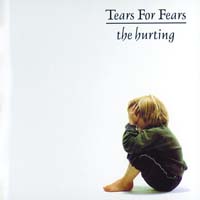
The Hurting: what Tears For Fears wants you to feel
The Hurting- Album Overview
"The Hurting," released on March 7, 1982, is the debut studio album by the British band Tears for Fears, known for their unique blend of new wave and synth-pop. The album was released under the Mercury Records label and was produced by Chris Hughes, who played a crucial role in crafting its distinctive sound. Recorded primarily at the Utopia Studios in London, "The Hurting" features contributions from Roland Orzabal and Curt Smith, the founding members of the band, who drew inspiration from their personal experiences, particularly the psychological concepts of primal therapy as advocated by Arthur Janov.
The album comprises eight tracks, with notable singles such as "Mad World," "Change," and "Pale Shelter," which helped establish their presence in the music scene. "Mad World" would later gain further fame through a cover by Gary Jules in 2001. The themes explored in "The Hurting" revolve around pain, emotional turmoil, and the struggles of growing up, resonating with a generation grappling with similar feelings. The album's sound, characterized by atmospheric synths, haunting melodies, and contemplative lyrics, has drawn comparisons to the darker elements of the early 80s music scene.
"The Hurting" is often seen as a significant work within the new wave genre, reflecting the era's cultural landscape, where personal introspection and emotional vulnerability began to emerge more prominently in popular music. The album's success laid the groundwork for Tears for Fears' continued prominence in the music industry and has influenced countless artists in the decades since.
Review
The sonic landscape of "The Hurting" is both evocative and haunting, a testament to Tears for Fears' ability to fuse melancholic themes with catchy melodies. The production is lush yet stark, allowing the emotional weight of the lyrics to resonate deeply. Tracks like "Mad World" encapsulate a sense of existential dread, while "Change" offers a glimmer of hope amidst despair, showcasing the band's lyrical dexterity. The interplay between Orzabal's and Smith's vocals brings a dynamic quality to the album, making the listener feel the raw emotion behind each song.
Lyrically, the album delves into themes of trauma, loss, and the complexities of human emotions, setting it apart from the more superficial pop offerings of the time. The philosophical underpinnings of primal therapy add a layer of depth, inviting listeners to confront their own feelings of pain and healing. This introspective approach, combined with the innovative use of synthesizers, positions "The Hurting" as a landmark album that speaks to the human condition in a profound way.
Highlights
- Deeply introspective lyrics that resonate with listeners' emotions.
- Innovative production that blends synth-pop with darker themes.
- Memorable singles that have stood the test of time, particularly "Mad World" and "Change."
Weak points
- Some tracks may feel overly melancholic for casual listeners.
- The album's production style may sound dated to modern ears.
- Limited sonic variety across tracks could lead to a sense of repetition.
Overall evaluation
"The Hurting" remains a seminal work in the new wave genre, capturing the essence of emotional struggle and the quest for understanding. Its authentic exploration of pain and healing has ensured its place in music history.
Personal rating: 8/10 2022The Tipping Point
 2004Everybody Loves a Happy Ending
 1993Elemental
 1985Songs From the Big Chair