

Inside The Free Ship by Boston
The Free Ship- Album Overview
"The Free Ship," released in 1994, is the third studio album by American rock band Boston. Following the band's iconic debut in 1976 and the 1978 follow-up, "Don't Look Back," this album marked a significant return to the music scene after a lengthy hiatus. The album was released under the MCA Records label and was produced by the band's frontman, Tom Scholz, who is known for his innovative approach to rock music and meticulous production techniques.
The recording of "The Free Ship" took place at Scholz's own studio, known as "The Hideaway," which allowed him to have complete control over the production. This album features a blend of classic rock with elements of progressive rock, characterized by rich harmonies, layered guitars, and intricate arrangements that are hallmarks of Boston’s sound. The lineup featured original members Tom Scholz, Brad Delp, and Sib Hashian, along with new contributors, including David Sykes on bass.
Singles from the album include "I Need Your Love," which reached moderate success on the charts, showcasing the band's signature sound while attempting to capture a more contemporary feel. Despite mixed reviews, "The Free Ship" holds cultural significance as it highlighted the band's resilience in the face of changing musical landscapes during the 1990s. The album's blend of polished production and classic rock elements has allowed it to maintain a loyal fan base over the years.
Review
The sound of "The Free Ship" is distinctly Boston, marked by soaring melodies and elaborate guitar solos that are both engaging and technically impressive. Tom Scholz's guitar work is as sharp as ever, showcasing his ability to craft intricate riffs that are instantly memorable. Vocalist Brad Delp's harmonies are a standout feature, delivering heartfelt lyrics with the passion that fans have come to expect. Lyrically, the album touches on themes of love and longing, which resonate well with the band's established narrative style.
However, some critics noted that the album occasionally feels dated, with its production style echoing the late '70s and early '80s rather than evolving with the times. While fans appreciate the nostalgia, new listeners may find it less engaging compared to contemporary rock offerings. Despite these critiques, the album remains a testament to Boston's enduring legacy and their ability to create music that resonates across generations.
Highlights
- Rich, multi-layered guitar work that showcases Tom Scholz's innovative style.
- Brad Delp's powerful and emotive vocals that bring the lyrics to life.
- A strong sense of nostalgia that appeals to longtime fans of the band.
Weak points
- Some tracks may feel dated compared to modern rock music trends.
- Moderate chart success suggests a lack of widespread appeal beyond dedicated fans.
- Production choices may not resonate with listeners seeking a more contemporary sound.
Overall evaluation
"The Free Ship" serves as a solid addition to Boston's discography, reflecting both the band's classic sound and their attempts to adapt in a changing musical landscape. While it may not achieve the iconic status of their earlier work, it offers enough enjoyable moments to satisfy dedicated fans.
Personal rating: 7/10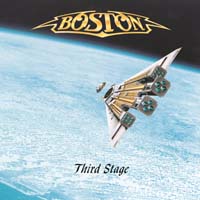 1986Third Stage
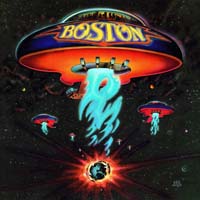 1976Boston
 0Life, Love