ALBUM NOTESAlbum spotlight: Trisomie 21 – The First Songs
The First Songs- Album Overview
Trisomie 21's debut album, "The First Songs," was released in 1985, marking a significant entry into the post-punk and new wave music scene. This French band, formed in 1981 in the city of Lille, is known for their ethereal sound that combines elements of cold wave and synth-pop, characterized by atmospheric production and introspective lyrics. The album was released under the label, Les Disques du Soleil et de l’Acier, and showcases the band's early experimentation with synthesizers and drum machines, which was innovative for the time.
The recording of "The First Songs" took place in a period when the French music scene was vibrant and ripe for exploration, and Trisomie 21 managed to carve out a niche with their unique sound. The band members, including brothers Philippe and Frédéric Lomprez, collaborated closely to create a cohesive musical identity that resonated with listeners looking for something beyond the mainstream. The album features notable singles such as "The Last Song" and "The First Song," which helped to establish their presence in the underground music circuit.
Musically, "The First Songs" is characterized by its haunting melodies, layered synthesizers, and poignant lyrical themes that often reflect feelings of alienation and introspection. The cultural significance of this album lies in its contribution to the French cold wave movement, influencing a generation of artists and bands who followed in their wake. Its sound remains relevant, echoing the aesthetic of 80s synth-driven music while maintaining a timeless quality that continues to attract new fans.
Review
"The First Songs" is an evocative collection that resonates with the listener through its atmospheric soundscapes and poignant lyrical content. The production is rich, leveraging the capabilities of synthesizers to create a sound that is both dreamy and melancholy. The vocals are delivered with an emotional depth that complements the instrumental arrangements, effectively capturing the essence of the band's artistic vision.
Lyrically, the album explores themes of isolation and the search for identity, common threads in the post-punk genre. The songs are introspective, inviting listeners to delve into their own emotions and experiences. The instrumentation is carefully crafted, with each track featuring a distinct combination of rhythmic elements and melodic structures that maintain a cohesive flow throughout the album.
Overall, Trisomie 21's debut is a testament to their innovative spirit and ability to merge different musical elements into a unified sound. It serves as a reflection of the time in which it was created while remaining a relevant piece of art that continues to inspire.
Highlights
- Innovative use of synthesizers and drum machines that defined the sound of the album.
- Emotionally resonant lyrics that explore themes of alienation and identity.
- Cohesive production that showcases the band's artistic vision and musical identity.
Weak points
- Some tracks may feel dated to contemporary listeners unfamiliar with the cold wave genre.
- A lack of mainstream recognition may limit the album's reach to broader audiences.
- Production quality, while characteristic of the era, may not meet modern standards of clarity and polish.
Overall evaluation
"The First Songs" stands as a significant entry in the annals of post-punk and cold wave music, showcasing Trisomie 21's pioneering spirit and artistic depth. It remains a noteworthy exploration of emotional landscapes through music.
Personal rating: 8/10


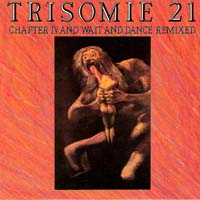 1987Chapter IV and Wait and Dance Remixed