ALBUM NOTESListening to The End of an Ear by Robert Wyatt
The End of an Ear- Album Overview
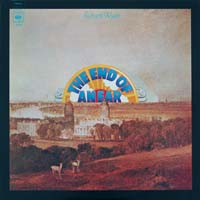
The End of an Ear, released in 1970, is the debut solo album by British musician Robert Wyatt, known for his work with the progressive rock band Soft Machine. The album was released on the CBS label and marks a significant departure from the conventional structures of rock music at the time. Following his departure from Soft Machine, Wyatt recorded this album in the midst of a transitional period in his career, exploring avant-garde jazz influences and a more personal sound.
Wyatt collaborated with notable musicians, including his former bandmates and other members of the Canterbury scene, which further deepened the album's experimental nature. The recording sessions took place in various locations, capturing a raw and spontaneous essence that is palpable throughout the tracks. The album features a mix of original compositions alongside a few covers, presenting a blend of jazz, rock, and free improvisation.
The album includes tracks like "The End of an Ear," "To Carla, Marsha and Caroline," and "The Little Red Train," showcasing Wyatt's unique vocal style and innovative songwriting. While it did not produce hit singles, its cultural significance lies in its influence on the experimental music landscape and the emerging progressive and avant-garde movements of the time. The End of an Ear is often regarded as a landmark work that encapsulates the spirit of the early 1970s music scene, embodying the freedom and exploration of new ideas that characterized the era.
Review
Robert Wyatt's The End of an Ear is a deeply introspective and ambitious record that transcends traditional genre boundaries. The sound is marked by Wyatt's distinctive vocals, which convey a sense of vulnerability and sincerity. The instrumentation is eclectic, featuring everything from piano and drums to unconventional instruments, creating a rich tapestry of sound that invites listeners to engage with each track on multiple levels.
Lyrically, Wyatt's work on this album is both personal and abstract, reflecting his emotional state during a time of transition. The themes often touch on the complexities of human experience, making the album resonate with listeners seeking depth and authenticity in music. Wyatt's artistic vision shines through in the way he embraces experimentation, often allowing the music to dictate the direction of each piece rather than adhering to conventional song structures.
The overall atmosphere of The End of an Ear is reflective and, at times, dreamlike, effectively capturing the essence of a burgeoning avant-garde scene. Wyatt's willingness to push boundaries not only showcases his musical prowess but also cements his place as a pioneer in the genre.
Highlights
- Innovative blending of jazz and rock elements, resulting in a unique sound.
- Wyatt's emotive vocals and personal lyrics create a deep connection with listeners.
- The album's experimental nature showcases the creativity of the early 1970s music scene.
Weak points
- Its avant-garde approach may not appeal to mainstream audiences.
- Some tracks may feel disjointed or lacking in traditional structure.
- Limited commercial success might overshadow its artistic significance.
Overall evaluation
The End of an Ear is a remarkable debut that highlights Robert Wyatt's creative vision and willingness to experiment with sound and structure. While it may not cater to all tastes, its artistic merit and cultural significance are undeniable. This album invites listeners into a unique auditory experience that is both challenging and rewarding.
Personal rating: 8/10

 2019Kitsune / Brian The Fox
 1974Rock Bottom