

Breaking down the themes in The Divine Miss M by Bette Midler
The Divine Miss M- Album Overview
The Divine Miss M, released in 1972, is Bette Midler's debut studio album, released under the Atlantic Records label. The album was produced by the legendary Arif Mardin and showcases Midler's versatile vocal talents across various genres, including pop, rock, and cabaret. Drawing inspiration from her time performing in New York City’s Continental Baths, the album features a blend of original compositions and covers, highlighting her unique interpretative style.
Notable tracks include "Do You Want to Dance," a lively cover of the Bobby Freeman classic, and "The Rose," which would later become one of Midler's signature songs. The album's sound is characterized by its lush orchestration and Midler's emotive delivery, which captures the complexities of love, longing, and self-acceptance. Collaborators on the album include notable musicians like Barry Manilow, who contributed to the arrangements and songwriting, further enhancing the album's rich texture.
The Divine Miss M received critical acclaim upon its release, earning Midler a Grammy Award for Best New Artist and solidifying her status as a cultural icon. The album's themes resonate with the LGBTQ+ community, as Midler's flamboyant persona and heartfelt storytelling connect deeply with audiences seeking representation and empowerment. Its blend of humor, poignancy, and a touch of camp has helped maintain its relevance over the decades, making it a landmark release in the history of popular music.
Review
The Divine Miss M is a remarkable showcase of Bette Midler's artistic vision, combining her theatrical background with her musical talents. The album oscillates between playful exuberance and deep emotional resonance, capturing the multifaceted nature of love and identity. Midler's vocal performances are both powerful and nuanced, displaying an impressive range that allows her to convey a wide spectrum of feelings.
The lyrics throughout the album reflect personal experiences and observations, often infused with a sense of humor that is quintessentially Midler. Tracks like "Friends" encapsulate the importance of companionship, while "The Rose" delves into the complexities of love — a song that remains timeless in its message. The production is polished yet retains a raw edge, allowing Midler's personality to shine through. The blend of styles within the album mirrors the diverse influences that shaped Midler's artistry, showcasing her ability to transcend genre boundaries and connect with a broad audience.
Highlights
- Midler's powerful and emotive vocal performances.
- A diverse range of musical styles that appeal to various listeners.
- Timeless themes of love, friendship, and self-acceptance.
Weak points
- Some tracks may feel dated to contemporary listeners.
- A few songs could benefit from a more modern production approach.
- The length of the album might deter those accustomed to shorter releases.
Overall evaluation
The Divine Miss M is a landmark debut that not only introduced Bette Midler as a formidable talent but also resonated deeply with audiences, particularly within the LGBTQ+ community. Its rich production and varied musical styles create a compelling listening experience that continues to captivate new generations.
Personal rating: 9/10 2014It's the Girls
 2005Bette Midler Sings the Peggy Lee Songbook
 2003Bette Midler Sings the Rosemary Clooney Songbook
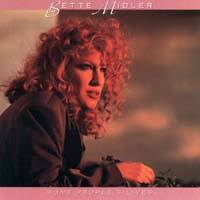 1990Some People's Lives
 1983No Frills