

The Cult by The Cult: expectations vs reality
The Cult- Album Overview
The self-titled album "The Cult" was released on October 5, 1994, marking a significant moment in the band’s trajectory. Known for their blend of gothic rock and hard rock, The Cult sought to redefine their sound during this period, igniting a wave of anticipation among fans and critics alike. Recorded at the legendary Bearsville Studios in New York and produced by the renowned youth, this album showcased a new direction for the band, moving away from the darker tones of their earlier work toward a more polished, radio-friendly sound.
The album features a total of 11 tracks, with notable singles such as "Love Removal Machine," "Wild Flower," and "Earth Mofo." These tracks were characterized by their dynamic instrumentation, catchy choruses, and Ian Astbury's powerful, evocative vocals. Collaborating with notable musicians including guitarist Billy Duffy, the album incorporated elements of alternative rock, showcasing a more mainstream appeal while still retaining the band's distinctive edge.
The Cult’s self-titled album not only marked a pivotal point in their artistic evolution but also resonated with the cultural zeitgeist of the mid-90s, a time when rock was beginning to diversify into various sub-genres. The album was released under the Sire Records label and was well received, particularly in Europe, where it solidified their status as a prominent force in rock music. While some fans may have expected a continuation of their earlier, darker themes, "The Cult" served as a bridge between their past and an evolving future.
Review
The Cult’s self-titled album offers a compelling blend of hard rock enthusiasm and anthemic melodies. The band’s shift towards a more radio-friendly sound is apparent, with tracks like "Love Removal Machine" featuring infectious guitar riffs and compelling hooks that are undeniably catchy. Lyrically, the album explores themes of love, loss, and existential reflection, with Astbury's trademark poetic flair shining through, particularly in the introspective verses of "Wild Flower."
However, this transition has sparked a mixed reception among long-time fans who may have preferred the band’s earlier, heavier sound. While the polished production and anthemic qualities make the album accessible, some critics argue that it lacks the raw emotional depth present in their earlier work. Nonetheless, the album’s artistic vision is commendable, as it demonstrates The Cult's willingness to evolve and adapt to the changing musical landscape of the 90s.
Highlights
- Strong production quality enhances the overall listening experience.
- Catchy singles that resonate well with a broad audience.
- Ian Astbury's powerful vocals remain a standout element.
Weak points
- Some fans may find the sound too polished compared to earlier albums.
- Not all tracks achieve the same level of impact as the singles.
- Lyrics may lack the darker, more complex themes of previous works.
Overall evaluation
The Cult’s self-titled album represents a significant turning point for the band, balancing commercial appeal with their rock roots. While it may not fully satisfy every fan's expectations, it undeniably showcases their growth and adaptability as artists in a changing musical landscape.
Personal rating: 7/10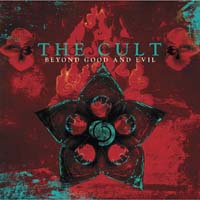 2001Beyond Good and Evil