
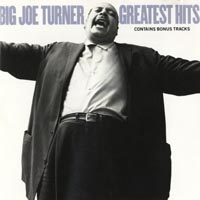
The Boss Of The Blues Sings Kansas City Jazz by Big Joe Turner: expectations vs reality
The Boss Of The Blues Sings Kansas City Jazz- Album Overview
Released in 1959, "The Boss Of The Blues Sings Kansas City Jazz" is a seminal work by Big Joe Turner, a pivotal figure in the transition from blues to rock and roll. This album was produced by the legendary jazz label, Atlantic Records, which was known for its rich roster of pioneering artists during the mid-20th century. The recording sessions took place in New York City, where Turner was accompanied by an impressive ensemble of musicians, including the likes of jazz pianist and arranger, Jay McShann, and saxophonist, Eddie "Lockjaw" Davis.
The album features a collection of tracks that pays homage to the vibrant Kansas City jazz scene, with songs infused with Turner's powerful vocal delivery and a big band sound that captures the essence of the era. Notable tracks include "Cherry Red," "Shake, Rattle and Roll," and "Boogie Woogie Country Girl," each showcasing Turner's dynamic range and ability to convey emotion through his music.
This album is not only significant for its musical content but also for its cultural impact. It bridged the gap between traditional blues and the burgeoning rock and roll movement, influencing countless artists who followed, including the likes of Elvis Presley and Ray Charles. "The Boss Of The Blues Sings Kansas City Jazz" remains a testament to Turner's legacy as a master of the blues and a key figure in American music history.
Review
Expectations for "The Boss Of The Blues Sings Kansas City Jazz" are high, given Big Joe Turner’s reputation and the album's historical context. Upon listening, one is immediately struck by Turner's commanding presence; his voice resonates with the authenticity of his experiences. The blend of jazz elements with bluesy undertones creates an engaging soundscape that is both familiar and fresh. The arrangements are lively, with a full band that complements Turner’s vocal prowess and brings an infectious energy to each track.
However, while the instrumentation is impressive, some listeners may find the production style slightly dated. The mix tends to favor the brass section, which can overshadow Turner's voice at times. Nevertheless, the lyrical content remains relatable and heartfelt, reflecting the everyday struggles and joys of life, showcasing Turner's ability to connect with his audience. Overall, the album serves as a reminder of Turner's significant role in shaping the genres that followed, even if it doesn't entirely meet the lofty expectations set by his previous works.
Highlights
- Powerful vocal performances that showcase Turner's range and emotional depth.
- Rich instrumentation that brings Kansas City jazz to life.
- Cultural significance as a bridge between blues and the emerging rock and roll scene.
Weak points
- Production style may feel dated to contemporary listeners.
- Some tracks have a tendency to overshadow Turner's vocals with instrumental arrangements.
- Lack of diverse lyrical themes, which may limit appeal beyond blues enthusiasts.
Overall evaluation
In summary, "The Boss Of The Blues Sings Kansas City Jazz" is a noteworthy album that captures the essence of Big Joe Turner’s influence on music. While it does have its flaws, the powerful vocals and energetic jazz arrangements make it a significant piece in the landscape of American music.
Personal rating: 7/10 1990The Blues Boss