Album overview
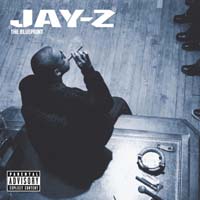
The Blueprint, released on September 11, 2001, stands as one of Jay-Z's most critically acclaimed albums, marking a pivotal moment in hip-hop history. Released under Roc-A-Fella Records, the project was notable for its innovative production, primarily helmed by Kanye West and Just Blaze, who contributed to its signature sound. The album features a blend of samples from soul music, which was a hallmark of the era, making it both sonically rich and culturally significant.
The recording process took place in various studios, including the famed Baseline Studios in New York City, where Jay-Z crafted his verses with precision and introspection. Collaborators on the album included heavyweights like Eminem, who produced “Renegade,” and guest appearances from artists such as Alicia Keys on the hit single “Empire State of Mind.”
The Blueprint produced several singles, with standout tracks including “Izzo (H.O.V.A.),” “Girls, Girls, Girls,” and “Takeover.” The album was not just a commercial success, debuting at No. 1 on the US Billboard 200 and selling over 400,000 copies in its first week, it also received widespread acclaim from critics, solidifying Jay-Z's status as a leading figure in hip-hop.
Culturally, The Blueprint emerged during a time when East Coast hip-hop was facing challenges, and it revitalized the genre with its authentic storytelling and lyrical prowess. The album's influence is still felt today, serving as a template for contemporary hip-hop artists and demonstrating the power of blending personal narrative with broader social commentary.
Review
Jay-Z's The Blueprint is a masterclass in lyrical dexterity and production finesse. The album opens with the anthemic “Izzo (H.O.V.A.),” which not only showcases Jay’s skillful wordplay but also sets the tone for the entire project. The production, characterized by its soulful samples and dynamic beats, provides a backdrop that feels both nostalgic and fresh, allowing Jay-Z's narrative to shine.
Thematically, The Blueprint explores themes of ambition, success, and the complexities of fame, all while maintaining a relatable human touch. Tracks like “Takeover” demonstrate Jay’s confrontational lyrical style, where he addresses rivalries in an unapologetic manner, while “Song Cry” reveals a vulnerability that resonates deeply with listeners.
Overall, The Blueprint stands as a testament to Jay-Z's artistic vision—a blend of personal reflection, social commentary, and innovative sound that pushed the boundaries of hip-hop. It remains a landmark album that encapsulates the essence of early 2000s hip-hop, making it a timeless piece in his discography.
Highlights
- Innovative production by Kanye West and Just Blaze.
- Strong lyrical content that balances bravado with introspection.
- Cultural impact, revitalizing East Coast hip-hop during a pivotal era.
Weak points
- Some tracks may feel dated to newer listeners unfamiliar with the era.
- Limited guest features compared to other albums in Jay-Z's discography.
- Production style may not appeal to fans of modern trap-influenced hip-hop.
Overall evaluation
The Blueprint is not just an album, it's a cultural artifact that encapsulates the spirit of its time while showcasing Jay-Z’s artistry. Its sound, lyrical depth, and production quality make it a cornerstone of hip-hop history.
Personal rating: 9/10
```

 20174:44
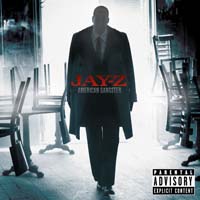 2007American Gangster
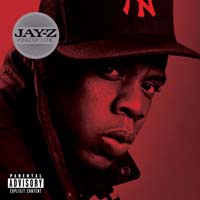 2006Kingdom Come
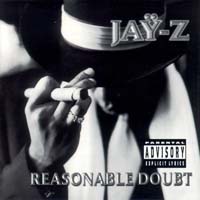 1996Reasonable Doubt