

Inside The Black Album by The Damned
The Black Album- Album Overview
"The Black Album," released in 1980, is a pivotal work in the discography of British punk band The Damned. This album marked a significant transition for the band, showcasing a more experimental approach compared to their earlier punk roots. Released under the label Chiswick Records, it was produced by the band themselves alongside renowned producer and engineer, Nick Launay, who had previously worked with artists like Public Image Ltd. and Killing Joke.
The recording sessions took place at various locations, including the band's own rehearsal space, which allowed for a raw and authentic sound. The album features a mix of punk rock and gothic influences, reflecting the band's willingness to push boundaries and explore new musical territories. Key tracks include "Wait for the Blackout," "Lively Arts," and "The History of the World," each demonstrating the band's lyrical depth and musical complexity.
The album's cover art, designed by the band's guitarist, Captain Sensible, is also noteworthy, featuring a stark black design that reflects the darker themes explored within the music. "The Black Album" produced several singles, including "Wait for the Blackout," which received critical acclaim and charted in the UK. This album is significant not only for its musical content but also for its cultural impact, as it helped pave the way for the post-punk movement, influencing countless bands in the years to follow. The Damned's bold experimentation with sound and style on "The Black Album" solidified their status as pioneers in the evolving landscape of music during the late 1970s and early 1980s.
Review
The sound of "The Black Album" is a stark departure from The Damned's earlier work, embracing a more diverse range of styles and influences. The album combines elements of punk rock with gothic rock, showcasing intricate guitar work and complex arrangements. Tracks like "The History of the World" feature a narrative style that reflects on the human condition, while "Lively Arts" presents a critique of the music industry itself. The lyrics throughout the album are both introspective and socially aware, marking a maturation in the band's songwriting. Artistically, The Damned took risks that paid off, as they explored themes of existentialism, identity, and societal critique with a raw honesty that resonates even today. The album's production captures the band's energy while allowing for moments of atmospheric depth, creating a listening experience that is both engaging and thought-provoking.
Highlights
- Innovative blend of punk and gothic rock elements
- Thought-provoking lyrics that tackle complex themes
- Strong production values that enhance the overall sound
Weak points
- Some tracks may feel inconsistent in energy and style
- The experimental nature might alienate traditional punk fans
- Occasional overindulgence in atmospheric arrangements
Overall evaluation
"The Black Album" stands as a testament to The Damned's evolution as artists and their willingness to push boundaries. The album successfully marries punk energy with introspective themes, making it a landmark record in the post-punk genre. While it may not appeal to all fans of their earlier work, its significance in music history cannot be understated.
Personal rating: 8/10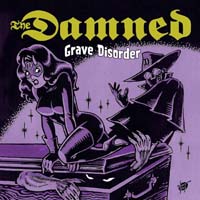 2001Grave Disorder
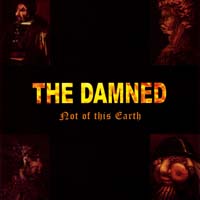 1995Not of This Earth
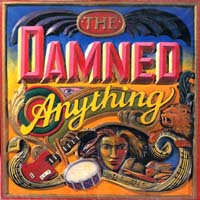 1986Anything
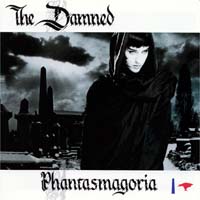 1985Phantasmagoria
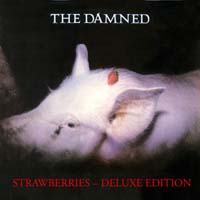 1982Strawberries
 1979Machine Gun Etiquette
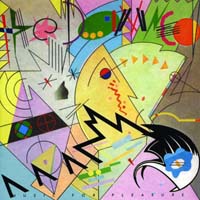 1977Music for Pleasure
 1977Damned Damned Damned