
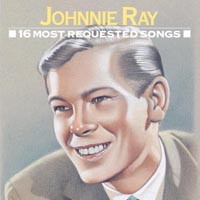
Why Johnnie Ray's The Best Of matters
The Best Of- Album Overview
"The Best Of" by Johnnie Ray, released in 1957, is a compilation album that encapsulates the essence of one of the most influential pop and R&B artists of the 1950s. Released under the Columbia Records label, the album features a selection of Ray's most notable tracks, highlighting his unique vocal style and emotional delivery. Johnnie Ray, often referred to as the "Prince of Wails," rose to fame with his heartfelt ballads and dynamic performances that captivated audiences across the United States and beyond.
The album includes iconic singles such as "Cry," which became a massive hit, reaching No. 2 on the Billboard Hot 100 chart, and "The Little White Cloud That Cried," another chart-topping success that showcased Ray's ability to convey deep emotion through music. Ray's collaborations with talented songwriters and producers of the era, including the renowned Billy May, contributed to his distinctive sound, blending pop, jazz, and rhythm and blues elements.
Johnnie Ray's influence extended beyond his music; he was a trailblazer for artists who followed, paving the way for future generations. His style and emotional depth inspired many, including artists like Elvis Presley and Frank Sinatra. The cultural significance of Ray's work lies in his ability to connect with audiences on a personal level, breaking through the barriers of race and genre. "The Best Of" serves not only as a testament to his artistry but also as a reflection of a pivotal time in American music history, when pop was evolving and artists were exploring new emotional depths.
Review
Musically, "The Best Of" presents a rich tapestry of sound, characterized by Johnnie Ray's expressive tenor voice. His delivery is marked by a poignant blend of vulnerability and strength, allowing listeners to feel the weight of his lyrics. The instrumentation throughout the album is lush and polished, a hallmark of the 1950s pop production style, with orchestral arrangements that perfectly complement Ray's vocal prowess.
The lyrics, often centered on themes of love and heartache, resonate deeply, showcasing Ray's ability to interpret complex emotions. Tracks like "Cry" and "Just Walkin' in the Rain" display his skill in conveying feelings of despair and longing, making them relatable to a wide audience. Ray's artistic vision was not just about the music; it was about creating an emotional experience that lingered long after the last note faded.
Highlights
- Johnnie Ray's emotive vocal delivery brings a profound depth to each track.
- The orchestral arrangements enhance the emotional impact of the songs.
- The album features several chart-topping hits that defined an era in pop music.
Weak points
- Some tracks may feel dated to modern listeners unfamiliar with the era's style.
- The production, while lush, can sometimes overshadow Ray's vocal clarity.
- The album lacks new material, focusing solely on previously released hits.
Overall evaluation
"The Best Of" is an essential collection for anyone looking to understand the impact of Johnnie Ray on the music landscape of the 1950s. It showcases his vocal talent, emotional depth, and the cultural shifts occurring in pop music during that time. This compilation serves as a reminder of the power of music to connect and inspire.
Personal rating: 8/10