
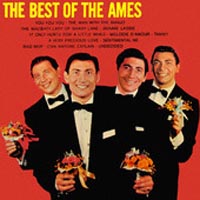
How The Ames Brothers shaped the sound of The Ames Brothers
The Ames Brothers- Album Overview
The self-titled album "The Ames Brothers," released in 1956, is a quintessential representation of the vocal harmony group genre that captivated audiences during the mid-20th century. The Ames Brothers, comprising siblings Ed, Vic, Gene, and Joe Ames, were known for their smooth harmonies and engaging stage presence, which helped them carve a niche in popular music. Released under the RCA Victor label, this album showcases the brothers’ ability to blend traditional pop with elements of jazz and doo-wop, creating a sound that was both accessible and innovative for the time.
Recording took place primarily in New York City, where the group had established a strong connection with producers and arrangers who understood their vision. Collaborators on the album included renowned arranger and conductor Hugo Winterhalter, who played a crucial role in shaping the orchestral backdrops that complemented the brothers' vocals. The album features a mix of original songs and covers, reflecting the diverse musical influences that the Ames Brothers absorbed throughout their careers.
Singles from the album, such as "Little White Cloud That Cried" and "My Bonnie Lies Over the Ocean," achieved commercial success, further cementing the group's status in the music industry. The album not only showcases their vocal prowess but also highlights the cultural significance of vocal harmony groups during the 1950s, a time when the rise of rock and roll began to shift the musical landscape. The Ames Brothers not only contributed to the popularity of vocal harmony but also influenced countless artists in the years to come, making their self-titled album a pivotal moment in their discography.
Review
The Ames Brothers' self-titled album is a delightful tapestry of smooth melodies and rich vocal harmonies. The group's sound is characterized by its lush arrangements that effortlessly blend pop sensibilities with a touch of jazz, making the listening experience both pleasurable and sophisticated. Each track is meticulously crafted, with the brothers’ harmonious vocals taking center stage, showcasing their ability to convey emotion and storytelling through song.
Lyrically, the album touches on themes of love, nostalgia, and longing, encapsulating the sentiments of the era. The Ames Brothers’ artistic vision is evident in their choice of songs, as they balance upbeat tracks with more reflective ballads, creating a dynamic listening experience. While the production is polished, some listeners might find the orchestral arrangements a tad overwhelming in moments, overshadowing the brothers' vocals. Nevertheless, the overall execution reflects a keen understanding of the pop landscape of the time, positioning them as pioneers in the genre.
Highlights
- Exceptional vocal harmonies that showcase the brothers' chemistry.
- A diverse tracklist that balances upbeat and sentimental songs.
- Strong production values, with lush orchestral arrangements.
Weak points
- Occasionally overwhelming orchestral arrangements that can overshadow vocals.
- Some tracks may feel dated to contemporary listeners.
- Lack of original material compared to covers could limit appeal.
Overall evaluation
The self-titled album by The Ames Brothers is a significant contribution to the vocal harmony genre, showcasing their impressive vocal abilities and the lush arrangements of the time. While it may not resonate with all modern audiences, its historical context and musical craftsmanship make it a noteworthy listen.
Personal rating: 8/10