
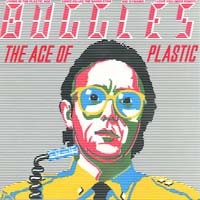
A closer look at Buggles's album The Age of Plastic
The Age of Plastic- Album Overview
Buggles's debut album, The Age of Plastic, was released in 1980 and marked a significant moment in the evolution of pop and new wave music. The album was released under the label Island Records and was produced by the duo of Trevor Horn and Geoff Downes, who would later go on to form a significant part of the progressive rock band Yes. The recording of the album took place in various studios in London, utilizing cutting-edge technology and synthesizers that defined the sound of the era.
The album features some of the band's most recognizable tracks, including the iconic single "Video Killed the Radio Star," which became a massive hit and is often credited with being the first music video played on MTV. Other notable tracks include "Living in the Plastic Age" and "Elstree," both of which showcase the band's unique blend of synthesized sounds and catchy melodies.
Thematically, the album reflects on the changing landscape of music and culture in the late 20th century, with a particular focus on the impact of technology on human experiences. The Buggles, through their innovative use of technology, not only pushed the boundaries of pop music but also foresaw the rise of a digital age that would ultimately transform the industry. The Age of Plastic is often viewed as a precursor to the synth-pop movement that would dominate the 1980s, making it a culturally significant work that resonated with audiences and continues to influence artists today.
Review
The sound of The Age of Plastic is characterized by its vibrant use of synthesizers, crisp production, and infectious hooks, which were groundbreaking at the time. The album combines elements of pop, rock, and electronic music, creating a distinct sound that set the Buggles apart from their contemporaries. Lyrically, the songs often explore themes of modernity, technology, and the existential dilemmas posed by the rapid changes in society. Trevor Horn and Geoff Downes's artistic vision is evident throughout, as they not only embraced the new technological advancements but also used them to critique the superficial nature of fame and the media.
Their clever wordplay and catchy melodies ensure that even decades later, tracks like "Video Killed the Radio Star" remain memorable and relevant. The Buggles's ability to fuse thought-provoking messages with pop sensibilities is what makes this album a timeless classic. While some may find the production somewhat dated by today's standards, it is a testament to the innovative spirit of the era and the duo's forward-thinking approach to music.
Highlights
- Innovative use of synthesizers and production techniques.
- Memorable and catchy melodies that have stood the test of time.
- Thought-provoking lyrics that critique modern culture and technology.
Weak points
- Production may feel dated to some contemporary listeners.
- Some tracks may lack the depth found in later works by the duo.
- Limited range in lyrical themes compared to modern standards.
Overall evaluation
Buggles's The Age of Plastic is a pioneering album that captures the essence of its time while delivering timeless pop music. Its blend of technology and artistry paved the way for future generations of musicians and remains a landmark in the history of pop and electronic music.
Personal rating: 8/10 1981Adventures in Modern Recording