
Take Five: discovering Dave Brubeck Quartet's artistry
Take Five- Album Overview
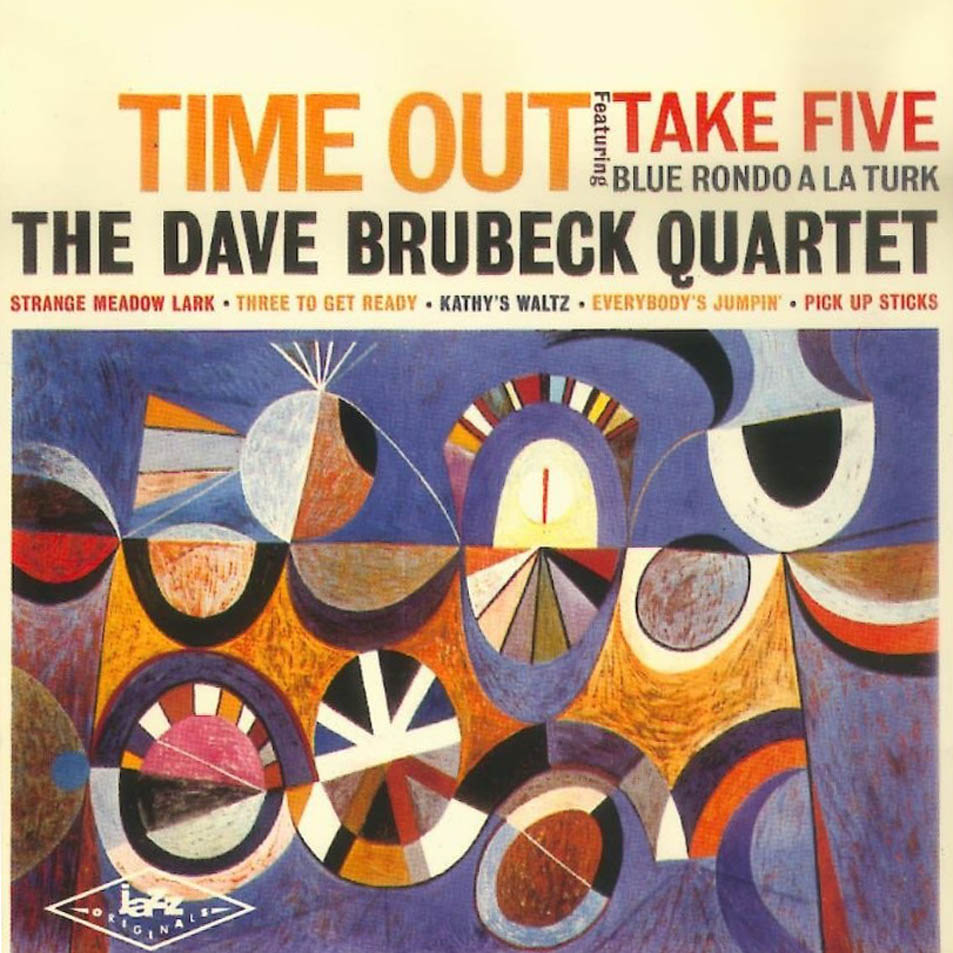
"Take Five," released in 1959, is one of the most iconic jazz albums by the Dave Brubeck Quartet, which features pianist Dave Brubeck, saxophonist Paul Desmond, bassist Eugene Wright, and drummer Joe Morello. The album was recorded in a time when jazz was evolving, blending elements of classical music and popular styles. Released under the Columbia Records label, "Take Five" was produced by Teo Macero, a significant figure in jazz production. The album is famous for its title track, "Take Five," which was composed by Paul Desmond and is notable for its unusual 5/4 time signature, a rarity in jazz music at the time. The album also features other standout tracks like "Blue Rondo à la Turk," which showcases the quartet's innovative approach to rhythm and melody.
The recording sessions took place at the Columbia Studios in New York City, where the quartet was able to capture their lively and intricate interplay. "Take Five" became a commercial success, reaching number 25 on the Billboard 200 chart and eventually being certified gold by the RIAA. The album's fusion of complex rhythms and catchy melodies helped pave the way for jazz's acceptance in the mainstream, influencing countless musicians and contributing to the genre's evolution. Its cultural significance cannot be overstated; "Take Five" remains a staple in jazz and is often used in films, commercials, and other media, ensuring its lasting legacy.
Review
The sound of "Take Five" is a captivating blend of intricate melodies, sophisticated harmonies, and rhythmic complexity. The album showcases Brubeck's innovative piano work, contrasted beautifully by Desmond's smooth and lyrical saxophone lines. The interplay between the musicians is nothing short of mesmerizing, as they navigate through complex time signatures with ease and flair. Each track on the album offers a unique listening experience, with "Take Five" standing out for its iconic riff and memorable melody. The artistic vision behind this album was to push the boundaries of jazz while making it accessible to a wider audience, a mission that Brubeck and his quartet achieved remarkably well.
While the album does not contain lyrics, the emotional depth conveyed through the instruments speaks volumes, inviting listeners into a world of improvisation and creativity. The arrangements are tight yet allow for individual expression, showcasing the talents of each member of the quartet. The overall atmosphere of the album is both relaxed and invigorating, making it a timeless classic that continues to resonate with music lovers today.
Highlights
- The innovative use of unusual time signatures, particularly in "Take Five."
- Masterful musicianship and interplay among the quartet members.
- The album's lasting impact on jazz and popular music, influencing generations of artists.
Weak points
- Some listeners may find the unconventional time signatures challenging.
- A few tracks may feel less memorable compared to the iconic title track.
- The album's sound may not appeal to those who prefer more traditional jazz forms.
Overall evaluation
"Take Five" is a landmark album that encapsulates the innovative spirit of jazz in the late 1950s. Its blend of rhythmic complexity and melodic charm not only showcases the exceptional talent of the Dave Brubeck Quartet but also serves as a pivotal moment in jazz history. The album remains a must-listen for both jazz aficionados and newcomers alike.
Personal rating: 9/10 1959Time Out