
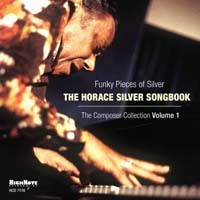
Horace Silver experiments boldly on Supreme Jazz: Horace Silver
Supreme Jazz: Horace Silver- Album Overview
"Supreme Jazz: Horace Silver" is a notable compilation album released in 2005, showcasing the genius of jazz pianist and composer Horace Silver. The album features a collection of his most influential tracks recorded during the late 1950s and 1960s, a period when Silver was at the forefront of the hard bop movement. This compilation was released under the Blue Note label, a cornerstone of jazz music that has historically been associated with innovation and creative expression.
The tracks included in this compilation highlight Silver's unique blend of gospel, blues, and jazz, creating a sound that is both accessible and deeply intricate. Among the featured tracks are classics such as "Song for My Father" and "The Preacher," which demonstrate Silver's ability to craft memorable melodies and intricate arrangements. Silver collaborated with numerous talented musicians throughout his career, and this album reflects the synergy he cultivated with artists like Art Blakey, Miles Davis, and Wayne Shorter.
The recording sessions for these tracks were characterized by Silver’s desire to push the boundaries of jazz, often experimenting with complex rhythms and innovative chord progressions. The album not only encapsulates Silver's artistic vision but also serves as a significant cultural artifact of the era, representing a time when jazz was evolving rapidly. Silver's music has influenced countless musicians and continues to resonate with audiences today, making "Supreme Jazz: Horace Silver" an essential listen for anyone interested in the evolution of jazz music.
Review
The sound of "Supreme Jazz: Horace Silver" is a rich tapestry of textures and emotions that perfectly encapsulates Silver's artistic vision. Each track is a masterclass in composition and improvisation, showcasing Silver’s distinctive piano style that blends rhythmic drive with lyrical elegance. The arrangements are tight yet allow ample room for the musicians to explore and express themselves, creating a dynamic interplay that is both engaging and refreshing.
While the album is primarily instrumental, the strength of Silver's compositions speaks volumes, with each note carefully placed to evoke a wide range of feelings. The balance between complexity and accessibility is a hallmark of Silver's work, and this compilation highlights that balance beautifully. The production is crisp, allowing the nuances of each instrument to shine through, making the listening experience immersive and captivating. Overall, the album stands as a testament to Silver's innovative spirit and his ability to merge various musical influences into a cohesive and compelling sound.
Highlights
- Exceptional compositions that balance complexity with accessibility.
- Dynamic performances from a talented lineup of musicians.
- A rich historical context, showcasing the evolution of jazz in the 20th century.
Weak points
- Some listeners may find the compilation lacks the narrative flow of a traditional album.
- As a compilation, it may not represent the full breadth of Silver's discography.
- Limited exploration of Silver's later works and stylistic changes.
Overall evaluation
"Supreme Jazz: Horace Silver" is a compelling collection that demonstrates the brilliance of one of jazz's most influential figures. While it may not capture the entirety of Silver's artistic journey, it serves as an excellent introduction to his work and the hard bop genre.
Personal rating: 8/10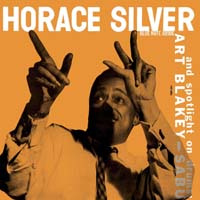 1959Horace Silver Trio