
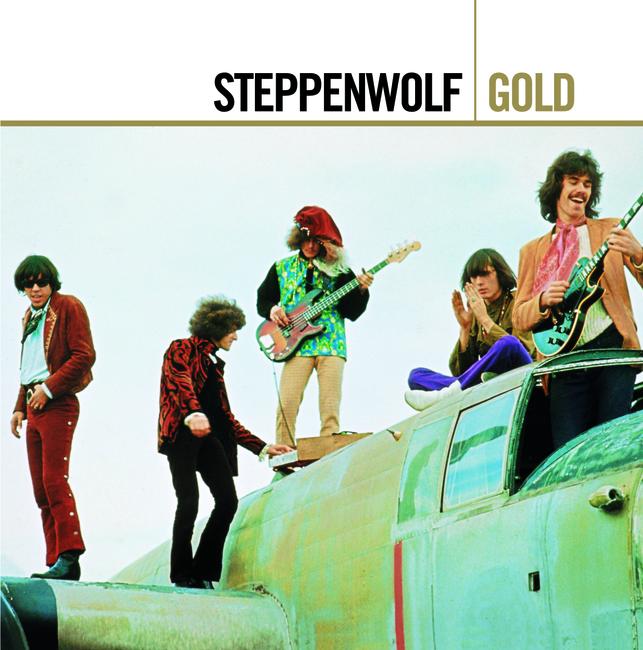
Steppenwolf – Steppenwolf 7: track-by-track perspective
Steppenwolf 7- Album Overview
Released in 1970, "Steppenwolf 7" is the fifth studio album by the iconic rock band Steppenwolf, known for their fusion of rock, blues, and heavy metal elements. This album marks a significant point in their discography, showcasing a blend of musical experimentation and lyrical depth. Released under the Dunhill Records label, it was produced during a time when the band was at the height of their popularity, following hits like "Born to Be Wild" and "Magic Carpet Ride." "Steppenwolf 7" features a lineup that includes John Kay (vocals, guitar), Jerry Edmonton (drums), and Goldy McJohn (keyboards), among others, contributing to the band's signature sound. The album includes notable tracks such as "Snowblind Friend," which addresses the struggles of substance abuse, highlighting the band's willingness to tackle complex themes. The album's sound is characterized by its heavy guitar riffs, driving rhythms, and Kay's distinctive vocals, which contribute to the hard rock genre that Steppenwolf helped define. The album spawned the single "Boy Named Sue," which, although not as commercially successful as previous hits, showcased the band's versatility and ability to interpret songs from other artists, namely Johnny Cash. "Steppenwolf 7" reflects the cultural shifts of the late 1960s and early 1970s, capturing the essence of the counterculture movement while also delving into themes of disillusionment and societal challenges. The album's blend of rock with poignant storytelling solidified Steppenwolf's place in rock history.
Review
"Steppenwolf 7" offers a compelling sonic experience that exemplifies the band's signature hard rock sound. The album opens with "The Pusher," a gritty track that sets the tone for the themes explored throughout the record. Lyrically, Steppenwolf delves into heavy subject matter, with tracks like "Snowblind Friend" serving as a stark commentary on addiction and its consequences. The instrumentation is robust, featuring powerful guitar riffs and a tight rhythm section that delivers a punch. The production quality is noteworthy, with a polished yet raw sound that captures the energy of Steppenwolf's live performances. John Kay's vocals are particularly striking, imbued with emotion that enhances the storytelling aspects of the lyrics. While some tracks may feel less impactful compared to their earlier hits, the album as a whole showcases the band's evolution and willingness to explore new musical territories. "Steppenwolf 7" remains a testament to the band's ability to blend hard rock with thought-provoking lyrics, making it a significant entry in their catalog. The album encapsulates the spirit of its time, reflecting the complexities of life in the early '70s while providing a robust soundtrack for listeners.
Highlights
- Strong lyrical themes addressing societal issues, particularly in "Snowblind Friend."
- Powerful instrumentation and classic hard rock sound.
- John Kay's evocative vocal performance throughout the album.
Weak points
- Some tracks may not resonate as strongly as the band's earlier hits.
- Occasional lyrical clichés detract from the overall depth of the album.
- Production may feel dated to modern audiences unfamiliar with the era.
Overall evaluation
"Steppenwolf 7" is a solid representation of the band's evolution during a pivotal era in rock music. While it may not reach the heights of their most famous works, it still offers a compelling mix of hard rock and introspective lyrics. The album is a must-listen for fans of the genre and those interested in the cultural narratives of the time. Personal rating: 7/10
 1974Slow Flux
 1969Monster
 0Skullduggery