
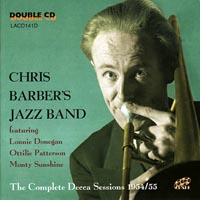
Exploring the sound of Chris Barber's Jazz Band: Stardust
Stardust- Album Overview
Released in 1966, "Stardust" is a quintessential album from Chris Barber's Jazz Band, one of the prominent ensembles in the British jazz scene. Known for their blend of traditional jazz and New Orleans styles, Barber's band features a stellar lineup that includes renowned musicians such as clarinetist and saxophonist Monty Sunshine and trombonist Chris Barber himself. This album was released under the Decca label, which was instrumental in bringing jazz to a wider audience during the 1960s.
Recording sessions for "Stardust" took place in a vibrant period for jazz, as the genre was evolving and intersecting with popular music. The album features a mix of classic tracks, including the titular "Stardust," composed by Hoagy Carmichael, showcasing Barber's exceptional ability to reinterpret standards with a unique twist. The band’s sound is characterized by rich brass arrangements, infectious rhythms, and a spirited approach that captures the essence of traditional jazz while appealing to contemporary audiences of the time.
"Stardust" serves not only as a testament to Barber's artistry but also reflects the broader cultural significance of jazz in the 1960s, a period marked by social change and musical experimentation. The album holds a special place in the hearts of jazz aficionados, and its tracks often serve as a bridge for new listeners exploring the genre. The album includes other notable tracks such as "When the Saints Go Marching In" and "Bourbon Street Parade," further cementing the band's reputation for lively performances and engaging arrangements. Over the years, "Stardust" has remained a beloved collection, reflecting Barber's enduring influence on the jazz landscape.
Review
"Stardust" stands as a vibrant showcase of Chris Barber's Jazz Band's ability to merge traditional jazz elements with a refreshing vigor. The album opens with the hauntingly beautiful "Stardust," where Barber's band effortlessly blends melody and improvisation, creating an atmosphere that is both nostalgic and invigorating. The ensemble's cohesion is palpable, with each musician contributing their unique flair, particularly in the brass section, which delivers powerful yet melodious harmonies.
The production value of the album is commendable, allowing the warmth of the instruments to shine through while capturing the live energy that Barber's performances were known for. The arrangements are tight, reflecting the band's experience and skill, yet they leave ample room for improvisation, a hallmark of jazz that Barber embraces wholeheartedly.
While the album primarily features instrumental tracks, the emotive quality of the music transcends the need for lyrics. The artistic vision behind "Stardust" is evident in the careful selection of songs that resonate with themes of love, nostalgia, and celebration, embodying the spirit of jazz. Barber's interpretations breathe new life into well-known standards, making them accessible to a new generation of listeners and reaffirming the timeless appeal of jazz music.
Highlights
- Rich brass arrangements that showcase exceptional musicianship.
- Engaging reinterpretations of classic jazz standards.
- A lively and authentic sound that captures the essence of traditional jazz.
Weak points
- Some tracks may feel dated to modern listeners unfamiliar with the genre.
- Limited vocal presence may not appeal to those who prefer lyrical content.
- Occasional predictability in song structures for seasoned jazz fans.
Overall evaluation
"Stardust" by Chris Barber's Jazz Band is a delightful exploration of the essence of jazz, filled with captivating arrangements and skilled performances. It offers both nostalgia and a fresh perspective on classic tunes, making it a significant contribution to the jazz canon.
Personal rating: 8/10