
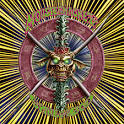
Spine Of God: the next chapter for Monster Magnet
Spine Of God- Album Overview
"Spine Of God" is the groundbreaking debut album from the New Jersey-based stoner rock band Monster Magnet, released on April 27, 1991. The album was produced by the band’s frontman, Dave Wyndorf, alongside the talented John Agnello, who has worked with other notable artists in the rock genre. The record was released under the label, Caroline Records, and it quickly garnered attention for its heavy, psychedelic sound that blended elements of rock, metal, and space rock.
The album features a total of 10 tracks, with standout singles such as "Negasonic Teenage Warhead," which later became a cult favorite and solidified the band's reputation in the underground scene. "Spine Of God" is characterized by its thick, fuzz-laden guitar riffs and Wyndorf's distinctive vocal style, which captures the essence of the early '90s rock movement.
The band's lyrical themes often explore cosmic and psychedelic imagery, drawing inspiration from science fiction and counterculture. This thematic approach resonated strongly with the burgeoning grunge and alternative rock scenes of the time, which were searching for new sounds and aesthetics. The album's release marked a significant moment in the evolution of stoner rock, influencing a generation of musicians and fans alike. Monster Magnet's unique blend of heavy riffs and introspective lyrics paved the way for future explorations in the genre, making "Spine Of God" a cornerstone of '90s rock history.
Review
Musically, "Spine Of God" is a powerful testament to Monster Magnet's ability to merge hard rock with psychedelic elements. The album opens with the thunderous "Dopes to Infinity," a track that sets the tone for the heavy, immersive sound that follows. The production is polished yet retains a raw edge, allowing the band's energy to shine through. Lyrically, Wyndorf's writing is both imaginative and relatable, striking a chord with listeners who appreciate the blend of personal introspection and cosmic exploration.
The standout track, "Negasonic Teenage Warhead," exemplifies the band's knack for catchy hooks and powerful riffs, making it a staple in their live performances. The album's darker moments, such as "Spine of God," showcase a more brooding side, with lyrics that delve into themes of existentialism and the human experience. This duality in the album's sound and lyrical content reflects Monster Magnet's artistic vision, positioning them as a significant force in the rock landscape of the early 1990s.
Highlights
- Powerful and immersive sound that blends hard rock with psychedelia.
- Standout tracks like "Negasonic Teenage Warhead" capture the essence of the band's style.
- Rich lyrical themes that explore cosmic and personal narratives.
Weak points
- Some tracks may feel repetitive in structure and sound.
- The album's production, while polished, may not appeal to all fans of rawer rock sounds.
- Lyrical themes may not resonate with those seeking straightforward storytelling.
Overall evaluation
"Spine Of God" is a landmark album that solidified Monster Magnet's place in the rock canon. It showcases their unique sound and artistic vision, making it a must-listen for fans of stoner rock and alternative music. The album's influence continues to be felt, as it paved the way for future generations of musicians.
Personal rating: 8/10 2021A Better Dystopia
 2013Last Patrol
 2004Monolithic Baby!
 2000God Says No
 1998Powertrip
 1995Dopes To Infinity
 1993Superjudge