
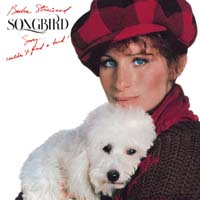
Why Barbra Streisand's Songbird matters
Songbird- Album Overview
Released in 1978, "Songbird" is the sixth studio album by the iconic American singer and actress Barbra Streisand. The album was produced by the legendary music producer and composer, Alan Bergman, and was released under the Columbia Records label. "Songbird" features a blend of pop and adult contemporary genres, showcasing Streisand's powerful vocal range and emotional delivery. The album includes a collection of tracks that highlight her ability to convey deep feelings through music, with notable songs such as "The Way We Were," "Evergreen," and "You Don't Bring Me Flowers," which became a significant hit when performed as a duet with Neil Diamond in 1978. The recording sessions for "Songbird" took place in a variety of studios, and the album features contributions from several esteemed musicians and arrangers, including the renowned composer and arranger, Marvin Hamlisch. The album's themes revolve around love, nostalgia, and heartache, which resonated deeply with listeners of the era. "Songbird" not only achieved commercial success, reaching the top of the charts, but it also earned critical acclaim for its lush orchestrations and Streisand's interpretation of the songs. The album stands as a testament to her artistry and the cultural impact she has had on the music industry, solidifying her status as a vocal powerhouse and a beloved figure in American music.
Review
"Songbird" serves as a compelling showcase of Barbra Streisand's incredible vocal prowess and emotional depth. The album opens with "The Way We Were," a hauntingly beautiful ballad that encapsulates the bittersweet nature of nostalgia. Streisand's voice is both powerful and tender, drawing listeners into the poignant narrative of the song. The production, characterized by lush orchestral arrangements, complements her vocals without overshadowing them. Tracks like "Evergreen" and "You Don't Bring Me Flowers" further illustrate her ability to convey complex emotions, with lyrics that speak to the universal experiences of love and loss. The musical arrangements are sophisticated yet accessible, marrying pop sensibilities with a more traditional orchestral sound. Overall, "Songbird" stands out not only for its vocal performances but also for its lyrical depth and emotional resonance, reflecting the era's cultural landscape and Streisand's artistic vision.
Highlights
- Streisand's commanding vocal performances that convey raw emotion.
- Lush orchestral arrangements that enhance the lyrical themes.
- The cultural significance of tracks like "The Way We Were" and "You Don't Bring Me Flowers."
Weak points
- Some tracks may feel overly sentimental to modern listeners.
- Occasional reliance on traditional pop structures might limit experimentation.
- Production style may not appeal to fans of minimalist soundscapes.
Overall evaluation
"Songbird" is a significant entry in Barbra Streisand's discography, capturing the essence of her artistry and the emotional depth of its era. While it has its weaknesses, the album's strengths far outweigh them, making it a timeless classic.
Personal rating: 8/10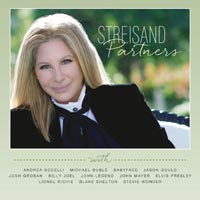 2018Walls
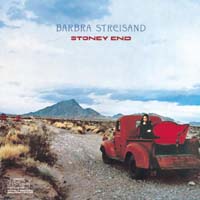 1971Stoney End