
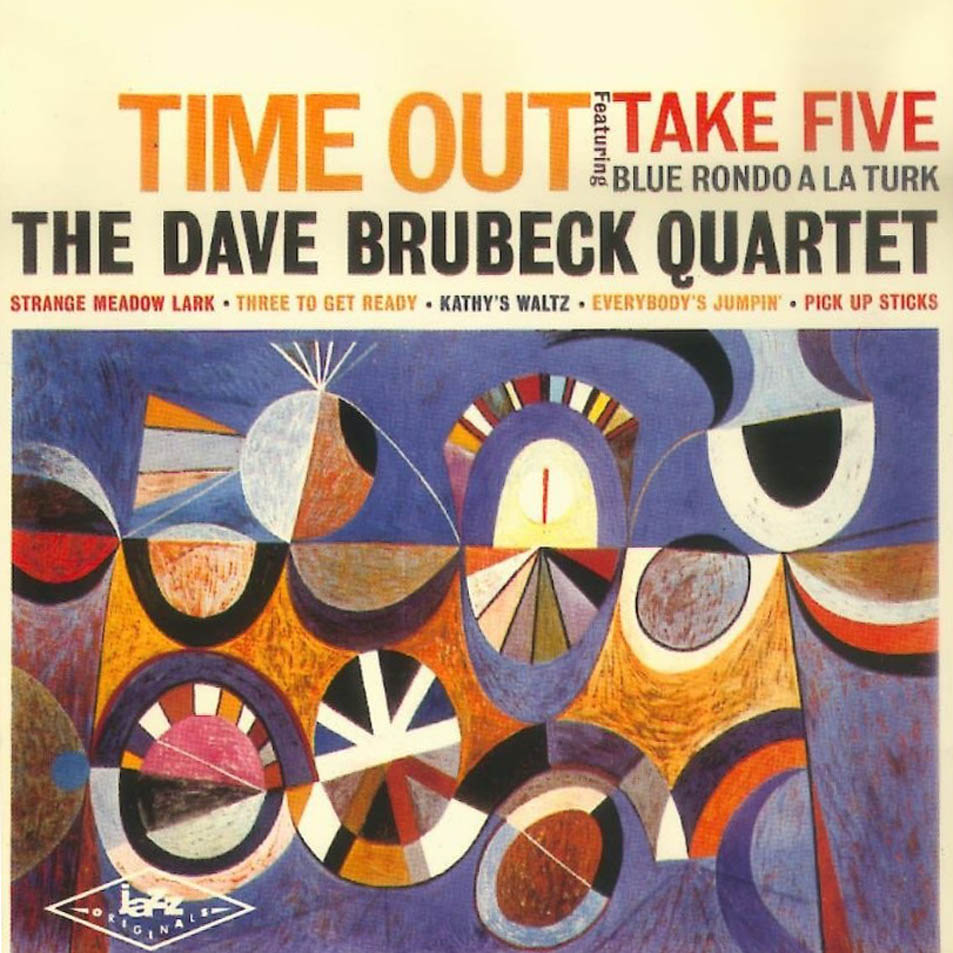
The evolution of Dave Brubeck Quartet in So What's New?
So What's New?- Album Overview
"So What's New?" is a jazz album by the iconic Dave Brubeck Quartet, released in 1966 under the Columbia Records label. This album marks a significant moment in the evolution of the quartet, showcasing their ability to adapt and innovate within the jazz genre. Recorded in the midst of the 1960s, a period characterized by both musical experimentation and the civil rights movement, "So What's New?" reflects Brubeck's commitment to blending traditional jazz with contemporary influences.
The album features a rich array of tracks, including well-known compositions such as "Take Five" and "In Your Own Sweet Way," alongside original pieces that highlight the quartet's improvisational prowess. The lineup for this album includes the legendary Dave Brubeck on piano, Paul Desmond on alto saxophone, Eugene Wright on bass, and Joe Morello on drums, all of whom contributed to the distinct sound that defines the group.
Produced by Brubeck himself, the album encapsulates the essence of a band that was not only focused on technical skill but also on conveying emotional depth through music. The recording sessions took place at a time when jazz was becoming increasingly popular among mainstream audiences, and Brubeck's unique approach to time signatures and complex rhythms was groundbreaking. This album, while not as commercially successful as previous efforts, solidified the quartet's reputation as innovators in jazz and ensured their legacy as one of the genre's most influential ensembles.
Review
The sound on "So What's New?" is a captivating blend of traditional jazz elements and innovative explorations, typical of the Brubeck Quartet's style. The album opens with "Take Five," a track that has become synonymous with the quartet and is celebrated for its unusual 5/4 time signature. This piece exemplifies Brubeck's genius in creating accessible yet complex music, allowing for both technical display and emotional resonance.
Lyrically, the album does not focus on words but rather on musical storytelling and improvisation. The interplay between Desmond's smooth saxophone and Brubeck's intricate piano work creates a dialogue that is both conversational and profound. The artistic vision behind "So What's New?" is a testament to the quartet's commitment to pushing boundaries while maintaining the essence of jazz. Each track serves as a narrative, inviting listeners into an immersive musical experience that feels both timeless and timely.
Highlights
- The innovative use of time signatures, particularly in tracks like "Take Five."
- The exceptional interplay between musicians, showcasing their improvisational skills.
- The emotional depth conveyed through instrumental storytelling.
Weak points
- Some tracks may feel less engaging compared to the more popular pieces.
- The album's production quality may not meet the high standards set by modern recordings.
- Limited lyrical content could leave some listeners wanting more narrative depth.
Overall evaluation
"So What's New?" stands as a significant chapter in the legacy of the Dave Brubeck Quartet, illustrating their evolution as musicians and their impact on jazz. While it may not reach the commercial heights of earlier works, its artistic merit and innovative spirit are undeniable.
Personal rating: 8/10 1959Time Out