

Size Isn't Everything by Bee Gees: expectations vs reality
Size Isn't Everything- Album Overview
"Size Isn't Everything" is the Bee Gees' 20th studio album, released on September 30, 1993, under the Polydor label. This album marked a pivotal moment for the trio as they transitioned from the disco era that had defined their earlier success to a more contemporary pop and soft rock sound that reflected the musical climate of the early '90s. The album was produced by the Bee Gees themselves, showcasing their continued evolution as musicians and songwriters. Recording took place in various locations, including the famed Middle Ear Studios in Miami, Florida. Collaborators on the album included industry veterans such as engineer John Merchant, who helped to shape the polished sound that the Bee Gees are known for.
The album features a total of 10 tracks, including notable singles like "Alone," which became one of their biggest hits of the decade, reaching the top of the charts in several countries. Other tracks such as "I Could Not Love You More" and "How to Fall in Love" also received radio play, contributing to the album's commercial success. Despite this, "Size Isn't Everything" was met with mixed reviews from critics, many of whom felt that it did not quite match the heights of the Bee Gees' earlier works. Nonetheless, the album stands as an important entry in their discography, reflecting their adaptability and the evolution of their music into a new era.
Review
The sound of "Size Isn't Everything" represents a stylistic shift for the Bee Gees, moving away from the lush orchestration that characterized their previous works towards a more stripped-back, contemporary feel. The harmonies that the Bee Gees are famous for remain intact, but they are often accompanied by a more modern production style that incorporates elements of rock and pop. Lyrically, the album deals with themes of love, heartache, and longing, encapsulated in tracks like "Alone," which features poignant lyrics that resonate with a sense of vulnerability.
The artistic vision behind this album seems to reflect the brothers' desire to remain relevant in a rapidly changing music landscape. However, while some tracks shine with catchy melodies and emotional depth, others feel somewhat formulaic, as if the Bee Gees were still grappling with their identity post-disco. Overall, "Size Isn't Everything" offers a mixed bag of tracks that highlight both the strengths and weaknesses of the band's transition into the '90s.
Highlights
- The standout single "Alone" showcases the Bee Gees' signature harmonies and lyrical depth.
- Production quality is high, with a polished sound that reflects the band's meticulous approach to music-making.
- The album demonstrates the Bee Gees' ability to adapt to changing musical trends while still retaining their distinct style.
Weak points
- Some tracks feel formulaic and lack the innovative spark of their earlier works.
- The album's overall coherence is somewhat uneven, with a mix of highs and lows.
- Critics noted that it doesn't quite reach the emotional and artistic heights of their classic albums.
Overall evaluation
"Size Isn't Everything" is a testament to the Bee Gees' enduring legacy and their ability to navigate the changing tides of the music industry. While it may not stand alongside their most celebrated works, it offers a glimpse into their adaptability and continued relevance in the '90s pop landscape.
Personal rating: 7/10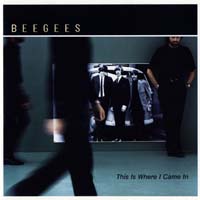 2001This Is Where I Came In
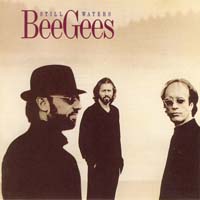 1997Still Waters
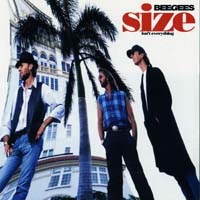 1993Size Isn't Everything
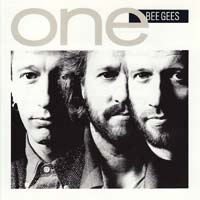 1989One
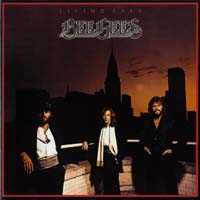 1981Living Eyes
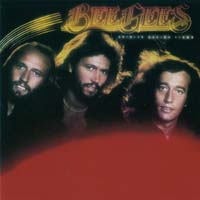 1979Spirits Having Flown
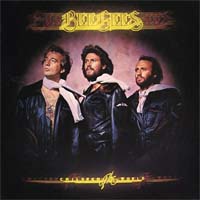 1976Children of the World
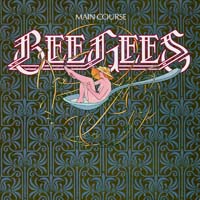 1975Main Course
 1974Mr. Natural
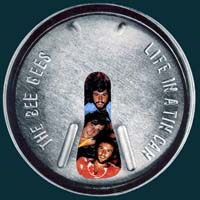 1973Life in a Tin Can
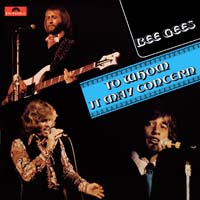 1972To Whom It May Concern
 1971Trafalgar
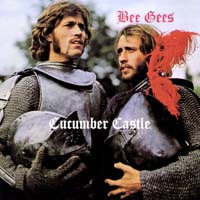 1970Cucumber Castle
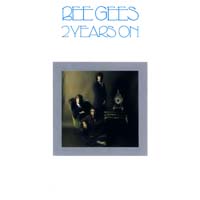 19702 Years On
 1969Odessa
 1968Idea
 1968Horizontal
 1967Bee Gees' 1st
 1966Spicks and Specks
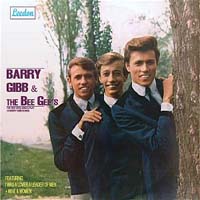 1965The Bee Gees Sing and Play 14 Barry Gibb Songs