
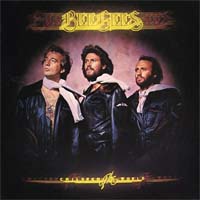
Children of the World: A of the Bee Gees’ Album
The Bee Gees are a legendary band that many consider to be the pioneers of disco music. Their album, Children of the World, released in 1976, is considered a milestone in their careers. It marked the beginning of the band's transition from ballads to danceable hits. This album introduced the world to some of the most iconic disco songs of all time, but how well does it hold up to scrutiny today? In this post, we will critically review the Children of the World album and explore the most innovative parts of the record.
The Bee Gees' music careers span over five decades. Brothers Barry, Robin, and Maurice Gibb formed the band in the late 1950s, and they had initial success in the 1960s with their pop ballads. Still, they eventually changed their sound and embarked on a new journey - the disco path. Children of the World marked this change.
This album's music genre is firmly rooted in disco, yet the Bee Gees added a unique flavor to it and elevated it beyond the ordinary. The album is an exploration of high-pitched vocals, rich harmonies, funky baselines, and catchy melodies that made the Bee Gees famous. They infused traditional elements of disco music, including upbeat tempos, and hypnotic rhythms. The result was a unique sonic experience that moved people to the dancefloor.
The album's best songs include the famous hit single You Should Be Dancing, Love So Right, and Boogie Child. All of these tracks showcase the Bee Gees' remarkable ability to craft catchy tunes that stick with listeners long after the music finishes. However, the album's most significant contribution to the band's and the music's history is without a doubt the closing track, The King is Dead, an iconic song that puts a perfect climax on the band's transition to a new sound.
The most innovative parts of the Children of the World album are the Bee Gees' signature falsetto vocals and harmonies, which became an iconic part of disco music. They elevated the high-pitched tone to become a distinction rather than a limitation. Additionally, the band's use of electronic rhythms and drum machines became a defining characteristic of the genre. The Bee Gees were at the forefront of this change, and their experimentation with new sounds and equipment influenced future electronic music.
A of the Children of the World album suggests that, while the Bee Gees' shift towards disco was successful, some tracks on the album left listener wanting more. For instance, Lovers and Can't Keep a Good Man Down felt lackluster compared to the rest of the record. Nonetheless, these tracks worked as a necessary transitional phase for the band in their new direction. Overall, Children of the World was an essential building block for the Bee Gees' legendary status as disco kings.
The Children of the World album solidified the Bee Gees' status as one of the greatest bands of all generations. The album showcased their versatility and musicianship, their remarkable vocal skills, and their innate sense of melody. The Bee Gees' fusion of traditional disco with their signature harmonies and electronic equipment produced an iconic sound that influenced the music industry for generations to come. A of the album suggests that the Bee Gees' transition to disco was the right move, and Children of the World stands as a testament to their creativity and talents as musicians.
The Bee Gees' music careers span over five decades. Brothers Barry, Robin, and Maurice Gibb formed the band in the late 1950s, and they had initial success in the 1960s with their pop ballads. Still, they eventually changed their sound and embarked on a new journey - the disco path. Children of the World marked this change.
This album's music genre is firmly rooted in disco, yet the Bee Gees added a unique flavor to it and elevated it beyond the ordinary. The album is an exploration of high-pitched vocals, rich harmonies, funky baselines, and catchy melodies that made the Bee Gees famous. They infused traditional elements of disco music, including upbeat tempos, and hypnotic rhythms. The result was a unique sonic experience that moved people to the dancefloor.
The album's best songs include the famous hit single You Should Be Dancing, Love So Right, and Boogie Child. All of these tracks showcase the Bee Gees' remarkable ability to craft catchy tunes that stick with listeners long after the music finishes. However, the album's most significant contribution to the band's and the music's history is without a doubt the closing track, The King is Dead, an iconic song that puts a perfect climax on the band's transition to a new sound.
The most innovative parts of the Children of the World album are the Bee Gees' signature falsetto vocals and harmonies, which became an iconic part of disco music. They elevated the high-pitched tone to become a distinction rather than a limitation. Additionally, the band's use of electronic rhythms and drum machines became a defining characteristic of the genre. The Bee Gees were at the forefront of this change, and their experimentation with new sounds and equipment influenced future electronic music.
A of the Children of the World album suggests that, while the Bee Gees' shift towards disco was successful, some tracks on the album left listener wanting more. For instance, Lovers and Can't Keep a Good Man Down felt lackluster compared to the rest of the record. Nonetheless, these tracks worked as a necessary transitional phase for the band in their new direction. Overall, Children of the World was an essential building block for the Bee Gees' legendary status as disco kings.
The Children of the World album solidified the Bee Gees' status as one of the greatest bands of all generations. The album showcased their versatility and musicianship, their remarkable vocal skills, and their innate sense of melody. The Bee Gees' fusion of traditional disco with their signature harmonies and electronic equipment produced an iconic sound that influenced the music industry for generations to come. A of the album suggests that the Bee Gees' transition to disco was the right move, and Children of the World stands as a testament to their creativity and talents as musicians.
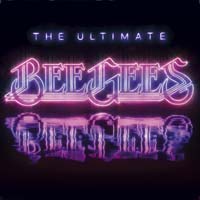 2020Radio Sessions 1967–1969
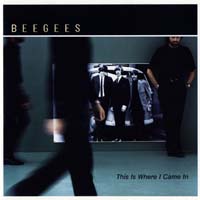 2001This Is Where I Came In
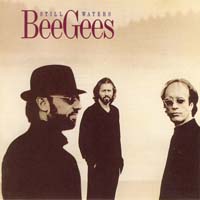 1997Still Waters
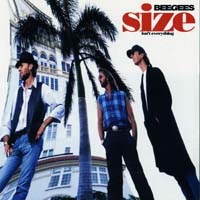 1993Size Isn't Everything
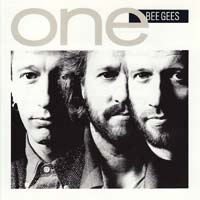 1989One
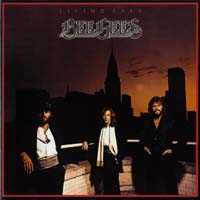 1981Living Eyes
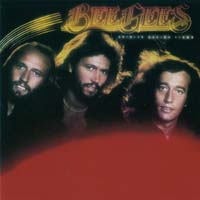 1979Spirits Having Flown
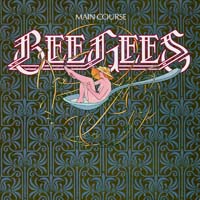 1975Main Course
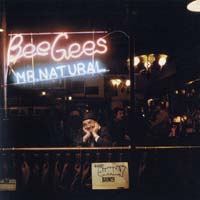 1974Mr. Natural
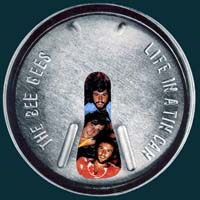 1973Life in a Tin Can
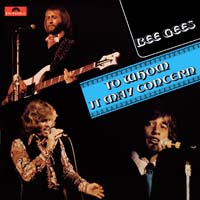 1972To Whom It May Concern
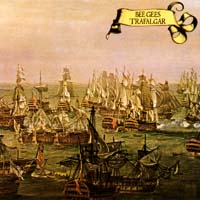 1971Trafalgar
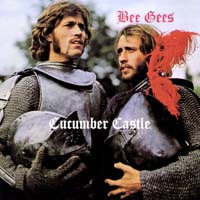 1970Cucumber Castle
 19702 Years On
 1969Odessa
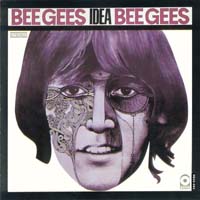 1968Idea
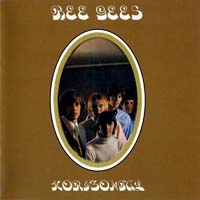 1968Horizontal
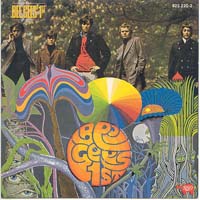 1967Bee Gees' 1st
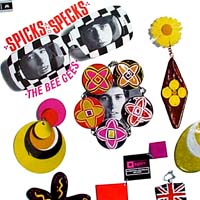 1966Spicks and Specks
 1965The Bee Gees Sing and Play 14 Barry Gibb Songs