

A closer look at Muse's album Simulation Theory
Simulation Theory- Album Overview
Muse's eighth studio album, Simulation Theory, was released on November 9, 2018, under the Warner Records label. The album marks a distinct return to the band’s roots in electronic and synth-driven rock, while also incorporating elements of progressive rock and pop. Produced by the trio—Matt Bellamy, Chris Wolstenholme, and Dominic Howard—and mixed by the renowned producer Mike Elizondo, Simulation Theory is a concept album that explores themes of virtual reality, technology, and the human experience in a digitally dominated age.
The recording sessions took place across various studios, including the famed AIR Studios in London. The band collaborated with a range of artists, including producer Rich Costey and composer David Campbell, to enrich the album's soundscapes. The album features a mix of genres and includes singles such as "Dig Down," "Thought Contagion," and "Pressure," all of which showcase the band's dynamic sound and thought-provoking lyrics.
Musically, the album is characterized by its heavy use of synthesizers, driving bass lines, and anthemic choruses, making it a fitting soundtrack for a generation increasingly immersed in technology. The album art, designed by the band alongside artist Kyle Lambert, further emphasizes its futuristic and dystopian themes. Simulation Theory has been noted for its cultural significance, tapping into contemporary fears and fascinations surrounding AI and virtual realities, thus resonating with a wide audience.
Review
Simulation Theory presents a bold sonic exploration that balances Muse's signature grandiosity with a fresh, modern twist. The album opens with "Algorithm," a track that sets the stage for its thematic depth and musical experimentation. The production is lush, filled with layers of synths and electronic beats that create an immersive listening experience. Lyrically, the album grapples with existential themes, asking poignant questions about the nature of reality and human connection in an increasingly digital world.
Tracks like "Pressure" and "The Dark Side" highlight Muse's ability to blend catchy hooks with thought-provoking commentary, a hallmark of their style. However, the album also faces criticism for moments that feel overly polished or formulaic, straying into pop territory that may alienate some long-time fans. Despite this, the artistic vision behind Simulation Theory is ambitious, and the execution largely successful, making it a compelling addition to Muse's discography.
Highlights
- Innovative use of synths and electronic elements enhances the overall sound.
- Strong thematic exploration of technology and reality.
- Catchy singles that resonate with both new and long-time fans.
Weak points
- Some tracks may feel overly polished, risking authenticity.
- Occasional reliance on pop conventions that could alienate hardcore fans.
- Not as cohesive as previous albums, with a few filler tracks.
Overall evaluation
Muse's Simulation Theory is a bold, ambitious album that showcases the band's evolution while remaining rooted in their core sound. It successfully navigates the complexities of modern life and technology, although it occasionally leans too heavily into pop aesthetics. Nonetheless, it stands as a significant work in their catalog.
Personal rating: 8/10 2015Drones
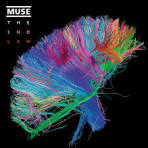 2012The 2nd Law
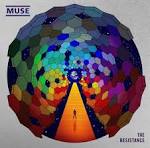 2009The Resistance
 2006Black Holes And Revelations
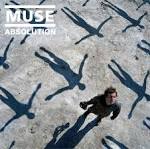 2003Absolution
 2001Origin Of Symmetry